businesshelps
  • Home
  • UI/UX
  • Web Design
  • App Design
Category:

Medical

MedicalNews

How to Choose Between Targeted Therapy and Immunotherapy for Melanoma

by businesshelps January 29, 2026
written by businesshelps

Melanoma, a very aggressive type of solid tumor, used to have few treatment options in its later stages.  Two strong but very different systemic approaches have changed the way we treat diseases today: targeted treatment for melanoma and immunotherapy.  Patients and their families need to choose between these two advanced treatments, or decide to use both, based on the tumor’s unique genetic signature and the patient’s overall health.

GoBroad Healthcare Group is a specialized oncology center that focuses on complex solid tumor malignancies. They use an integrated diagnosis and multidisciplinary care model to help make this difficult choice.  The Group’s method focuses on accurate molecular profiling to find the best treatment for each patient at the right time. This makes sure that care meets the most up-to-date global standards for personalized oncology.

The Molecular Approach to Targeted Treatment for Melanoma

Targeted treatment for melanoma is a type of precision medicine that goes after the things that make cancer grow.  This approach is only possible for a small number of melanomas that have a certain genetic change, usually a mutation in the BRAF gene.

The Mechanism: Stopping the Growth Signal

The BRAF V600 mutation is present in about 40% to 60% of melanomas. This mutation keeps the Mitogen-Activated Protein Kinase (MAPK) signaling pathway active all the time. This pathway is the cell’s main command for growth and division.

Targeted treatment for melanoma uses both BRAF inhibitors (BRAFi) and MEK inhibitors (MEKi).  The BRAFi drug stops the mutated BRAF protein, and the MEKi drug stops the downstream MEK protein. Together, they block the hyperactive signaling pathway twice.  Most people with BRAF-mutant solid tumor melanoma who get this combination of drugs have their tumors shrink quickly and significantly.  This quick response is a big plus when a patient’s condition is immediately life-threatening because of a fast-moving, high-volume disease.

Pros: Quick and high response rate (the tumor shrinks).  Very effective for diseases that are acute and have symptoms.

Cons: Resistance is common.  Melanoma cells can create alternative routes around the blockade, which often leads to progression within months.  Side effects, like fever, rash, and liver toxicity, are usually easy to guess, but they can be hard to deal with.

Immunotherapy: Letting the Body’s Defense System Work

Immunotherapy, which mostly uses immune checkpoint inhibitors (ICIs), works in a completely different way.  Instead of going after the cancer directly, it strengthens the patient’s immune system (specifically T cells) so they can find and kill the solid tumor cells.

How It Works: Letting Go of the Brakes

Melanoma cells frequently exhibit proteins such as PD-L1, which interact with the PD-1 protein on immune T cells.  This binding acts like a “brake” that stops the T cell from attacking.  Checkpoint inhibitors, like PD-1 or CTLA-4 blockers, stop this binding from happening, which lets the T cells do their natural anti-cancer work.  This plan uses the body’s natural defenses to get a long-lasting, long-term response.

Pros: Possible long-lasting, very strong responses, even cures.  Works well for both BRAF-mutant and BRAF-wildtype (non-mutant) solid tumor melanoma.

Cons: Takes longer to work (not good for diseases that get worse quickly).  There is a chance of immune-related adverse events (irAEs), which are less predictable and can affect any organ (for example, colitis or pneumonitis) because the immune system is too active.

The Key Factor: Molecular Testing and Sequencing

The selection among these potent solid tumor therapies depends on a singular inquiry: Does the melanoma possess a treatable mutation, and what is the extent of the disease burden?

Genetic Test First: Before any treatment for advanced melanoma, all patients must have a full molecular profile (Next-Generation Sequencing) to see if they have the BRAF V600 mutation.

If the BRAF test comes back negative, the main first-line treatment is usually immunotherapy, either as a single drug or as a combination of drugs that block PD-1.

If BRAF is positive, the decision is more complicated and needs a clinical risk assessment. High Disease Burden/Urgent Need for Response: Start with targeted treatment for melanoma (BRAFi + MEKi) to quickly control the tumor, and then switch to immunotherapy later.

Low to Moderate Disease  Burden: Begin with immunotherapy because it gives you the best chance of getting a long-lasting benefit.  GoBroad Healthcare Group agrees with the growing consensus that immunotherapy should be given priority when possible because it has the potential to cure.

GoBroad Healthcare Group’s Comprehensive Strategy

Choosg the best order of treatments, such as whether to use immunotherapy first and then targeted treatment for melanoma, or the other way around, is very complicated and requires a lot of specialized knowledge.  This is exactly where GoBroad Healthcare Group’s ability to work with people from different fields comes in handy.

The Group uses advanced, integrated diagnostics to make sure that all actionable mutations in the solid tumor are found.  Then, their Multidisciplinary Care (MDC) teams, which include surgical, medical, and radiation oncologists, work together to come up with a personalized treatment plan.  This partnership is necessary to combine systemic therapies with local treatments, such as radiation therapy for brain metastases, which is a common problem with advanced melanoma.  Also, because of the Group’s research focus, they can offer patients access to next-generation combination trials. These trials pair targeted treatment for melanoma with two different immunotherapies in a triplet format. The goal is to improve both the response rate and the length of remission.  GoBroad Healthcare Group puts a lot of emphasis on accurate diagnosis so that every patient gets the best possible treatment plan that maximizes therapeutic gain while expertly managing the unique side effect profile of each powerful treatment.

MedicalNews

Топ N применений ТГСК при редких заболеваниях крови (DBA, PRCA и др.)

by businesshelps January 29, 2026
written by businesshelps

Трансплантация гемопоэтических стволовых клеток (ТГСК) занимает определенное место в схеме помощи пациентам с редкими и сложными патологиями. Для гематологических центров применение этого метода при нетипичных диагнозах требует тщательного анализа показаний и протоколов. GoBroad Healthcare Group рассматривает ТГСК как часть арсенала для работы с рядом резистентных гематологических заболеваний.

Коррекция врожденных дефектов костного мозга

Одной из сфер применения является лечение врожденных синдромов, таких как анемия Даймонда-Блэкфана (DBA). При этой патологии собственный костный мозг пациента не производит достаточное количество эритроцитов. Аллогенная трансплантация, как форма клеточная терапия стволовыми клетками, позволяет заменить дефектный кроветворный росток на здоровый от донора. Это может создать условия для нормализации продукции эритроцитов и уменьшения зависимости от постоянных гемотрансфузий.

Терапия приобретенных апластических состояний

Приобретенная чистая красноклеточная аплазия (PRCA) представляет собой состояние, при котором угнетается выработка исключительно эритроцитов. В случаях, когда иммуносупрессивная терапия не дает необходимого результата, рассматривается вариант ТГСК. Данный метод клеточная терапия стволовыми клетками направлен на полное обновление кроветворной системы, что может привести к восстановлению ее нормальной функции. Решение о трансплантации принимается на основе комплексной оценки рисков и потенциальной пользы для конкретного пациента.

Лечение иных резистентных патологий

Помимо DBA и PRCA, трансплантация гемопоэтических стволовых клеток может быть опцией при других рефрактерных гематологических заболеваниях, например, некоторых формах наследственных гемолитических анемий или дефектах иммунной системы. В каждом случае целью является замещение патологического кроветворения здоровым пулом стволовых клеток. В практике GoBroad Healthcare Group подготовка к такой процедуре и последующее ведение пациента строятся на индивидуализированных протоколах.

Таким образом, ТГСК представляет собой значимый метод для ряда редких и резистентных патологий кроветворной системы. Его применение при состояниях вроде DBA или PRCA демонстрирует потенциал клеточная терапия стволовыми клетками в коррекции сложных нарушений. Для специализированных медицинских групп работа с такими случаями является частью комплексного подхода к терапии сложных гематологических заболеваний.

ManufacturerMedical

Unlocking Global Demand: How Chinese Suppliers Excel in High-Quality HA Dermal Fillers

by businesshelps January 8, 2026
written by businesshelps

Meeting the escalating global demand for high-quality HA dermal fillers requires suppliers to innovate and maintain stringent quality standards. Chinese manufacturers have emerged as key players in this space, delivering advanced products that satisfy both local and international markets.

Innovation Meets Quality

China cross-linked dermal filler suppliers are at the forefront of technological advancements in hyaluronic acid formulations. Utilizing cutting-edge methods such as SAX-HA’s novel cross-linking technology, these suppliers are producing fillers that not only enhance volume and contour but also ensure safety for the patient. The precise formulation of cross-linked sodium hyaluronate gel allows for smoother application and more effective results. This innovative approach positions China as a leader in offering high-quality HA dermal fillers that meet diverse aesthetic needs.

Meeting Diverse Market Needs

With a growing global beauty industry, the demand for specialized aesthetic enhancement solutions is soaring. Chinese suppliers have adeptly positioned themselves to respond to this trend. Products like FineLines, developed by HAFILLER, are designed specifically for targeting crow’s feet and smile lines, demonstrating the versatility of cross-linked hyaluronic acid. This filler effectively restores smooth skin, providing an efficient solution for beauty enthusiasts seeking youthful appearances. By aligning with global trends and addressing specific consumer needs, China cross-linked dermal filler suppliers can cater to a broad market spectrum.

HAFILLER: An Industry Leader

As a trusted name in the industry, HAFILLER is committed to producing high-quality dermal fillers that enhance both beauty and safety. With FineLines as their flagship product for crow’s feet, HAFILLER exemplifies how a Chinese cross-linked dermal filler supplier can successfully merge innovation with practicality. Their dedication to quality has earned them a reputation among aesthetic practitioners worldwide, making HAFILLER a preferred partner for cosmetic enhancement solutions.

The capacity of Chinese suppliers to meet global demand illustrates their vital role in the evolving aesthetics market, paving the way for future innovation and collaboration.

Medical

 What Are the Best Hearing Aid Companies?

by businesshelps December 25, 2025
written by businesshelps

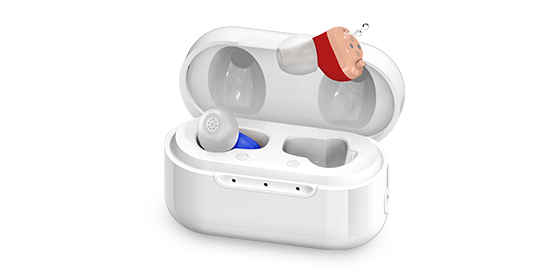
The landscape of hearing aids is shaped by a range of manufacturers that offer innovative solutions tailored to diverse user needs. As hearing loss becomes increasingly prevalent, the demand for reliable and effective hearing aids has led to the emergence of several top hearing aid manufacturers. This article will share key factors for choosing a hearing aid company, with a focus on JINGHAO Medical, a globally reputable brand in hearing aid manufacturing.

A Pioneer in Innovation: JINGHAO Medical

As a reliable maker of hearing aids, JINGHAO Medical is well-known for its dedication to innovation and quality. The company’s digital hearing aids have become well-known across the world, and they have won several notable awards, including the Red Dot Design Award in Germany. JINGHAO is well-positioned to serve a worldwide audience by operating in more than 90 countries and territories, offering complete hearing aid solutions. They share the company’s commitment to making hearing equipment more accessible through their focus on long-term service and support.

Features That Define Top Hearing Aid Manufacturers

When evaluating reputable hearing aid companies, certain features stand out. Leading manufacturers prioritize advanced technology, user-friendly designs, and exceptional customer service. Most of these companies invest heavily in research and development to ensure that their products incorporate the latest advancements in audiology.

Top hearing aid manufacturers often offer personalized fittings and a wide range of models suitable for various degrees of hearing loss. Customization is key; the ability to adjust settings based on individual hearing profiles is a significant factor that enhances user experience. Companies that excel in these areas, like JINGHAO, tend to foster stronger relationships with both consumers and healthcare providers.

Global Reach and Distribution Networks

Another essential aspect of recognizing the best hearing aid companies is their distribution networks and global reach. Companies like JINGHAO Medical have established partnerships across Europe, America, and Asia, facilitating an efficient supply chain that ensures customers receive timely access to products and support. This extensive network also helps in adapting to regional market demands, allowing manufacturers to tailor their offerings to meet specific cultural and clinical needs.

The ability to collaborate with local hearing aid supplier networks further strengthens a manufacturer’s position in the market. Companies that effectively engage with partners can provide better service and foster trust with end-users, ultimately contributing to a company’s reputation in the industry.

Elevating Hearing Accessibility Worldwide

In summary, the best hearing aid manufacturers are those that combine innovation, user-centric design, and robust distribution networks. Jinghao Medical exemplifies this approach by delivering cutting-edge digital hearing aids while prioritizing accessibility and service. As the industry continues to advance, clients seeking reliable and effective hearing solutions will find themselves well-served by top manufacturers committed to enhancing the quality of life for individuals with hearing loss. Engaging with companies like JINGHAO not only offers access to advanced technology but also aligns with a vision of inclusive hearing solutions on a global scale.

MedicalNews

Breaking the Silence Around Poland Syndrome and Modern Surgical Advancements

by businesshelps December 22, 2025
written by businesshelps

Poland syndrome is a rare condition that affects the development of the chest wall and upper limbs. While the public may not often hear about it, this condition has quietly touched the lives of many individuals, including some well-known figures. The challenges it presents—ranging from absent pectoral muscles to hand deformities—can impact both appearance and function. Today, with advances in poland syndrome surgery, affected individuals can find new hope through clinically validated deformity correction methods and chest wall reconstruction techniques.

Understanding the Condition

Poland syndrome typically involves the underdevelopment or absence of the pectoralis major muscle, missing ribs, or deformities of the upper limb on one side of the body. The condition occurs more often on the right side and may also involve breast or chest asymmetry. While the exact cause remains uncertain, experts believe it relates to disrupted blood supply or developmental issues during the fetal stage.

Surgical Treatment at the Institute of Chest Wall Surgery

At The Institute of Chest Wall Surgery (ICWS), specialists focus on restoring both structure and function for patients through poland syndrome surgery. Their procedures are customized based on each patient’s anatomy and degree of deformity, aiming to safely restore the chest wall’s structure and function while achieving an aesthetically balanced contour. Advanced imaging techniques assist in preoperative planning and intraoperative guidance, helping surgeons achieve optimal symmetry and aesthetic outcomes. ICWS’s team leverages years of clinical experience and continuous innovation to effectively address a wide range of chest wall deformities.

Moving Forward with Confidence

While poland syndrome may remain unfamiliar to many, awareness and modern surgical innovation have transformed outcomes for patients worldwide. The efforts of The Institute of Chest Wall Surgery (ICWS) continue to redefine what is possible in corrective treatment, helping individuals regain confidence, comfort, and full physical potential through medically proven poland syndrome surgery solutions.

MedicalNews

A Complete Guide to Medical Consumables for Hospital Procurement

by businesshelps December 12, 2025
written by businesshelps

Medical consumables are essential components in the healthcare industry. They are single-use items critical to a variety of medical procedures and treatments. These supplies ensure safety, hygiene, and efficiency in hospitals, clinics, and blood centers. Hospitals and healthcare providers are continuously in need of medical consumables to support effective patient care. Understanding the range and significance of medical consumables is key for hospital procurement teams to make informed purchasing decisions. This article provides a detailed guide to medical consumables, focusing on their role in hospitals and blood centers.

The Role of Medical Consumables in Healthcare Facilities

Medical consumables play a critical role in maintaining sterile environments and supporting medical procedures. Items like blood bags, collection tubes, and transfusion sets are indispensable for the effective treatment of patients. These consumables are designed for single-use, helping to prevent infections and ensure patient safety. For hospitals, timely procurement of these items is vital, as the lack of these supplies can disrupt medical treatments. WEGO Medical offers a variety of high-quality medical consumables, including blood center supplies that meet international standards and support safe and efficient blood management.

Common Types of Medical Consumables Used in Blood Centers

Blood centers rely heavily on specific medical consumables to collect, store, and transfuse blood. Among the most critical items are blood bags and collection tubes. Blood bags are used to safely store blood, while blood collection tubes are essential for processing blood samples. Additionally, transfusion sets are necessary to administer blood products to patients. WEGO Medical provides a wide range of medical consumables designed specifically for blood centers, including advanced blood bags, collection tubes, and blood gas needles, all of which ensure high standards of safety and reliability.

Selecting Reliable Medical Consumables for Hospital Procurement

Choosing the right medical consumables for hospital procurement can be challenging, given the wide variety of products available. Hospitals need to consider factors like product quality, safety features, and regulatory compliance. For example, the materials used in medical consumables should be of high quality to ensure durability and effectiveness. When procuring products for blood centers, it is essential to prioritize items that meet stringent safety standards. WEGO Medical provides medical consumables that integrate innovative design, advanced technology, and high-quality materials to ensure safe and efficient blood management.

Conclusion

Medical consumables are a cornerstone of modern healthcare, ensuring the smooth operation of medical treatments and procedures. Blood centers, in particular, rely on specific consumables like blood bags, collection tubes, and transfusion sets to manage blood safely and efficiently. Hospital procurement teams should prioritize medical consumables from trusted suppliers like WEGO Medical, which provide high-quality, reliable products designed to support patient safety and healthcare excellence. Understanding the types of consumables required and selecting reliable suppliers ensures that hospitals and blood centers maintain their commitment to patient care and safety.

MedicalNews

Evaluating the Efficacy of Stem Cell Therapy: Evidence and Real-World Outcomes

by businesshelps December 9, 2025
written by businesshelps

Stem cell therapy has emerged as a highly promising frontier in the field of regenerative medicine, holding out hope for a wide range of conditions, from degenerative diseases to chronic injuries. However, doubts about its actual effectiveness still linger, influenced by the varying clinical results and the ever – evolving nature of research. An outstanding international stem cell corporation like SunMoon Stem Cells offers crucial insights into how these therapies perform in real – world scenarios, helping to distinguish genuine hope from overblown hype.

Clinical Studies and Scientific Validation

The effectiveness of stem cell therapy is firmly grounded in rigorous scientific evidence. SunMoon Stem Cells have been at the forefront of pioneering research into induced pluripotent stem cells (iPSCs). These iPSCs possess the remarkable ability to differentiate into specialized cell types, making them ideal candidates for treating neurological disorders. Early – stage clinical trials indicate that iPSCs may have the potential to slow down the progression of the disease by replacing damaged neurons. Nevertheless, the long – term outcomes of these treatments are still under in – depth investigation. In a similar vein, SunMoon Stem Cells focuses on orthopedic applications, specifically knee osteoarthritis. Autologous stem cell injections provided by this clinic have shown modest improvements in pain and mobility in some patients. However, experts warn that the results can vary significantly depending on factors like the type of cells used, the dosage administered, and the overall health of the patient. SunMoon Stem Cells, with their extensive research resources, are constantly exploring ways to optimize these variables to enhance treatment outcomes.

Patient-Reported Outcomes and Case Studies

Real – world patient experiences provide an alternative and invaluable perspective for evaluating the efficacy of stem cell therapy. SunMoon Stem Cells reports that 60 – 70% of patients suffering from knee pain experience noticeable relief within six months of treatment. This often leads to a reduced reliance on painkillers or the need for surgical intervention. Yet, these positive outcomes are not universal; some patients observe only minimal changes, highlighting the inherent variability of the therapy. While a certain subset of patients exhibit improved motor function, others simply stabilize without experiencing significant gains. These disparities clearly underscore the need for personalized treatment protocols that are precisely tailored to individual conditions. SunMoon Stem Cells are actively working on developing advanced algorithms and diagnostic tools to create such personalized treatment plans for its patients.

Conclusion

The effectiveness of stem cell therapy is a complex and multi – faceted issue, blending scientific promise with practical limitations. SunMoon Stem Cells are demonstrating the potential of stem cell therapy in localized applications such as joint repair. The success of these therapies depends on a variety of factors, including the stage of the disease, the quality of the cells used, and the level of medical oversight. Patients are strongly advised to consult accredited providers, give priority to evidence – based treatments, and maintain realistic expectations. As research continues to progress, stem cell therapy may well redefine the standards of care.

Medical

Eligibility Checklist: Determining if CAR-T Therapy is Right for Your Myeloma

by businesshelps December 5, 2025
written by businesshelps

Patients diagnosed with hematologic diseases such as multiple myeloma often face complex treatment decisions. GoBroad Healthcare Group provides access to advanced therapies, including CAR-T interventions. They assess patients carefully to determine whether Car-T cell therapy for myeloma is a suitable option. By evaluating factors such as previous treatments, overall health, and disease progression, they can identify patients who are most likely to benefit. Their approach combines detailed diagnostics, medical history review, and consultation with a multidisciplinary team, ensuring that eligibility decisions are thorough and personalized.

Key Eligibility Criteria

They consider several factors when determining suitability for Car-T cell therapy for myeloma. Age, prior response to standard treatments, presence of comorbid conditions, and the current stage of the disease all influence eligibility. In addition, patients with other hematologic diseases may require specialized evaluation to assess the safety and effectiveness of CAR-T therapy. The team at GoBroad Healthcare Group uses this comprehensive assessment to ensure that potential candidates meet the necessary clinical requirements. This structured checklist helps both clinicians and patients understand what is involved before proceeding with therapy.

Preparing for Treatment

For patients deemed eligible, they provide guidance on preparation for CAR-T therapy. This includes optimizing health status, coordinating hospitalization, and discussing potential side effects and monitoring requirements. By following these steps, the likelihood of successful outcomes improves. Their experience in managing CAR T-cell therapy for myeloma allows them to create a detailed plan tailored to individual patient needs. For those with complex hematologic diseases, this preparation phase is particularly important to ensure safety and effectiveness throughout the treatment process.

Conclusion: Informed Decisions for Patients

In summary, determining whether CAR-T therapy is appropriate requires careful evaluation of medical history, disease characteristics, and patient health. GoBroad Healthcare Group helps patients navigate these decisions by providing structured eligibility assessments and detailed guidance. By combining expertise in hematologic diseases with practical experience in CarT-cell therapy for myeloma, they enable patients to make informed decisions and pursue personalized treatment plans that align with their needs and goals.

MedicalNews

Transforming Medical Education with the Digihuman 3D Printing Model-General Embryo

by businesshelps November 6, 2025
written by businesshelps

In the realm of medical technology, DIGIHUMAN is at the forefront, pioneering advancements in the development of 3D printing anatomical models. The brand’s latest innovation, the Digihuman 3D Printing Model-General Embryo, is set to revolutionize how medical professionals and students study human anatomy. This model showcases the intricate details of embryonic development, enhancing both educational and clinical applications.

High-Precision Digitized Human Body Data

Constructing a multi-structured 3D digital anatomical model from high-precision digitized human body data is a critical process that underpins the creation of the Digihuman model. This advanced method allows for the replication of anatomical structures with unmatched accuracy. As a result, the 3D printing anatomical models produced by DIGIHUMAN serve as essential tools for medical training, enabling students and healthcare providers to visualize complex biological systems effectively. The precision of these models enhances understanding and retention, making them invaluable in academic settings.

Sustainable and Innovative Printing Techniques

DIGIHUMAN emphasizes sustainability in its production processes by utilizing a full-color, multi-material 3D printer and environmentally friendly resin materials. This commitment to eco-friendly practices ensures that the 3D printing anatomical models are not only visually impressive but also responsibly produced. By providing a 1:1 high simulation of physical anatomical models, DIGIHUMAN allows users to engage with realistic representations of embryonic structures, fostering a deeper understanding of developmental biology and related medical fields.

Conclusion

The Digihuman 3D Printing Model-General Embryo exemplifies how DIGIHUMAN is transforming medical education through cutting-edge technology. By focusing on 3D printing anatomical models that utilize high-precision data and sustainable practices, DIGIHUMAN is setting new standards in the industry. As the demand for accurate anatomical representations grows, DIGIHUMAN remains dedicated to leading the charge, ensuring that future healthcare professionals are equipped with the best tools for their education and practice.

Recent Posts

  • Beyond Basics: TCT Show’s Comprehensive Scope in AM Technologies
  • How to Build an Outfit with a White Corset
  • How to Choose Between Targeted Therapy and Immunotherapy for Melanoma
  • Топ N применений ТГСК при редких заболеваниях крови (DBA, PRCA и др.)
  • Autosteer Kits for Tractors: Key Considerations for Installation and Performance

Rencent Comments

No comments to show.

About Me

About Me

Designer

Sed ut perspiciatis unde omnis iste natus sit voluptatem accusantium dolor emque.

Keep in touch

Facebook Twitter Instagram Pinterest Behance Youtube

Popular Posts

  • 1

    Guide to the Onboarding Process in Mobile Apps

  • 2

    為何廣汽埃安ES特別適合香港城市駕駛需求

  • 3

    Mega Navigation Menu Design Trends in Modern Websites

  • 4

    The New Rules for Scrolling in Web Design

  • 5

    UX Design Tips For Dropdown Navigation Menus

  • 6

    What in the World Are Microinteractions?

Categories

  • App Design (6)
  • Architecture (1)
  • Biology (1)
  • Business (78)
  • Dress (1)
  • Economy (25)
  • Furniture (1)
  • Global Trade (32)
  • Industry (86)
  • Innovation (38)
  • Jewelry (2)
  • Manufacturer (14)
  • Market (29)
  • Medical (9)
  • News (25)
  • Tech (41)
  • Technology (10)
  • UI/UX (7)
  • Web Design (7)
  • Facebook
  • Twitter
  • Instagram
  • Pinterest
  • Behance
  • Youtube
  • Bloglovin
businesshelps
  • Home
  • UI/UX
  • Web Design
  • App Design