businesshelps
  • Home
  • UI/UX
  • Web Design
  • App Design
Category:

Technology

Technology

How Implant Photogrammetry Is Transforming Digital Workflows in Modern Dentistry?

by businesshelps August 11, 2026
written by businesshelps

Implant dentistry increasingly relies on digital technologies to improve treatment planning, communication, and restoration efficiency. Among these technologies, implant photogrammetry has gained attention for its ability to capture precise implant-related information during complex procedures. By integrating advanced imaging methods with digital workflows, implant photogrammetry helps dental professionals manage challenging cases with greater confidence.

As dental practices and laboratories continue adopting digital solutions, the use of a Photogrammetry 3D scanner is becoming an important part of modern implant workflows. SHINING 3D DENTAL’s Intraoral photogrammetry (IPG) solution provides a digital approach that supports implant data acquisition and helps connect clinical procedures with laboratory processes.
What Is Implant Photogrammetry in Dentistry?

Implant photogrammetry is a digital technology used to record the exact position and orientation of dental implants. It works by capturing images of specially designed scan bodies placed on implants and calculating their spatial relationships. In modern photogrammetry dental implant workflows, this technology helps clinicians obtain precise implant data for more predictable treatment planning and restoration design.

Unlike traditional implant impression methods that rely on physical materials and manual transfers, photogrammetry focuses on digital data collection. A photogrammetry dental implant workflow allows dental professionals to capture implant position information and integrate it into digital dentistry systems, improving communication between clinics and laboratories.

This approach is particularly useful for complex implant treatments, including multiple implant cases and full-arch restorations. Accurate implant data provides a foundation for designing prosthetic solutions that are better aligned with the patient’s clinical condition.


How Is Implant Photogrammetry Used During Dental Procedures?

The application of implant photogrammetry usually begins after implant placement. Dental professionals attach encoded scan bodies to the implants, allowing the scanning system to identify their precise locations and angles.

A Photogrammetry dental scanner captures multiple images of these reference points and processes the information to generate accurate implant position data. The digital information can then be transferred into dental design software for further planning and prosthetic development.

This workflow allows clinicians and dental technicians to work with reliable digital records instead of depending only on conventional transfer methods. As a result, implant treatment planning can become more efficient and coordinated.


Applications of Implant Photogrammetry in Dental Treatments

  1. Supporting Full-Arch Implant Restorations

One of the most common applications of implant photogrammetry is full-arch implant treatment. These cases involve several implants supporting a complete prosthetic restoration, making accurate positioning essential.

Because multiple implants must work together, even small positioning differences may affect restoration design and fitting. Implant photogrammetry helps capture the relationship between implants, providing valuable information for creating full-arch prosthetic solutions.

For dental laboratories, access to precise implant data can simplify the design process and improve collaboration with clinicians.

  1. Improving Complex Implant Case Management

Implant photogrammetry is also useful for complex cases where accurate implant information is critical. These may include patients with multiple implants or cases requiring highly customized restorations.

By providing a digital record of implant positions, photogrammetry supports better communication between treatment providers. Dentists and technicians can review digital information more efficiently and make decisions based on consistent data.

  1. Integrating With Digital Dentistry Workflows

Modern dental workflows often combine intraoral scanning, CAD design, and digital manufacturing. Implant photogrammetry complements these technologies by providing accurate implant-related information.

A Photogrammetry 3D scanner can work as part of a broader digital ecosystem, allowing implant data to be combined with other digital records. This integration helps create a more complete workflow from clinical scanning to restoration production.


How SHINING 3D DENTAL IPG Supports Implant Photogrammetry?

SHINING 3D DENTAL’s IPG solution, also known as Intraoral photogrammetry, is designed to support implant workflows by combining photogrammetry technology with intraoral scanning capabilities.

The IPG workflow uses encoded scan bodies to capture implant positions and angles. These digital records can be combined with intraoral scan data to provide a more comprehensive representation of the patient’s oral condition.

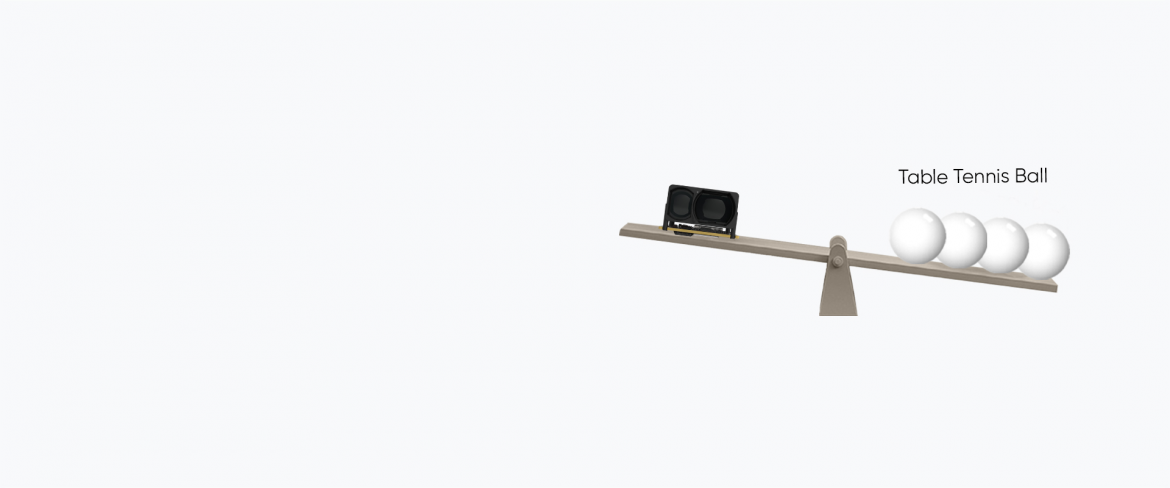
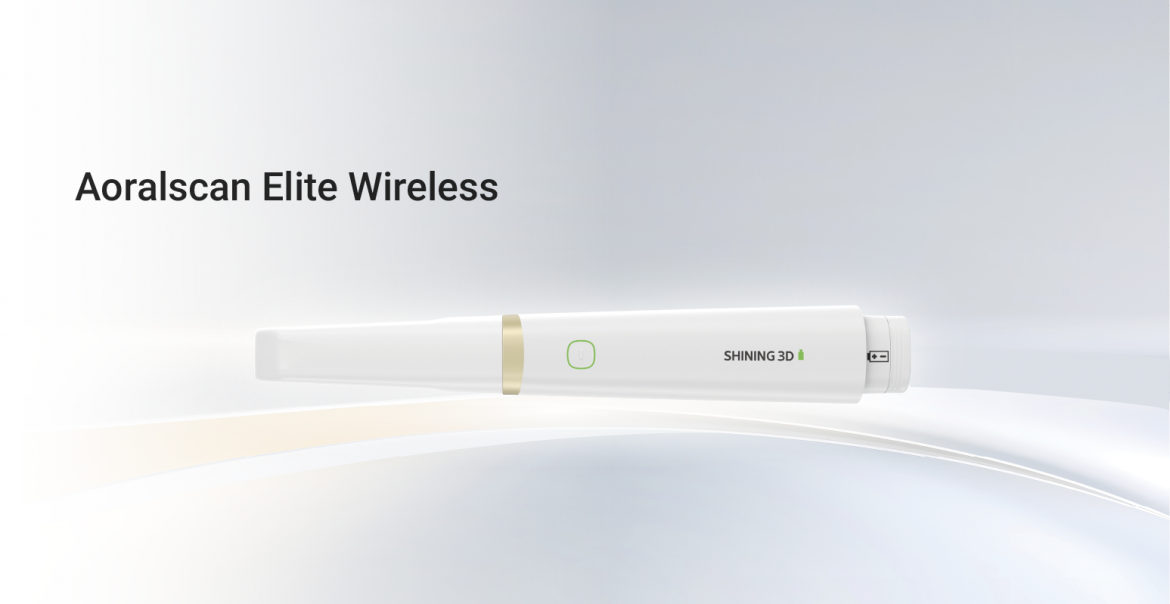
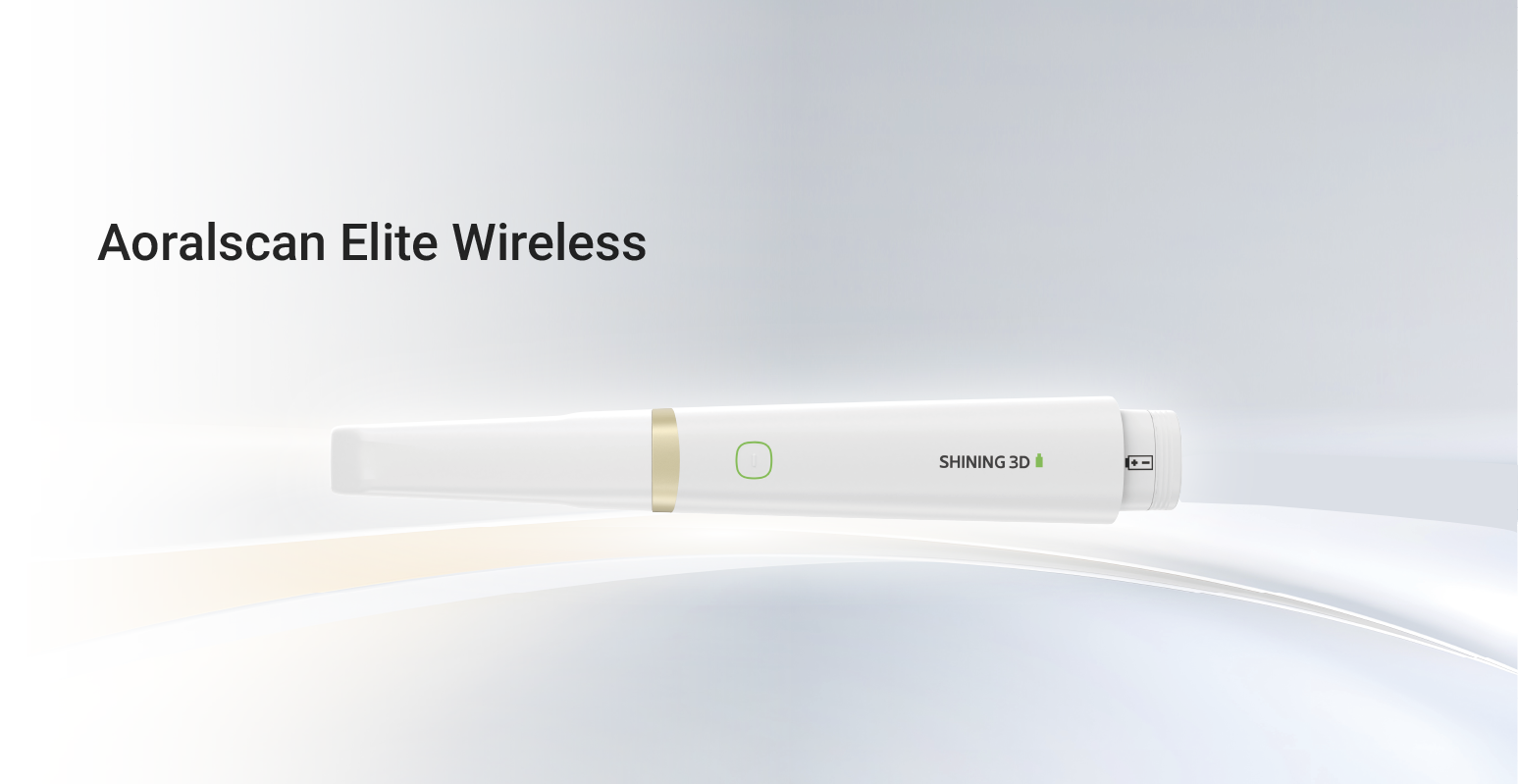
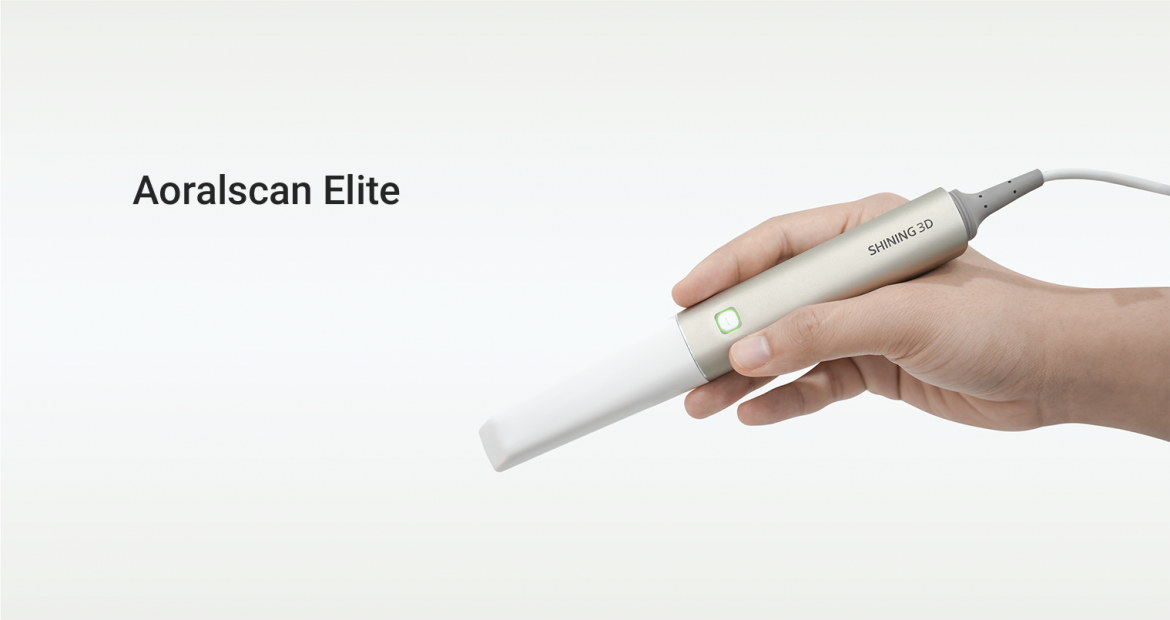
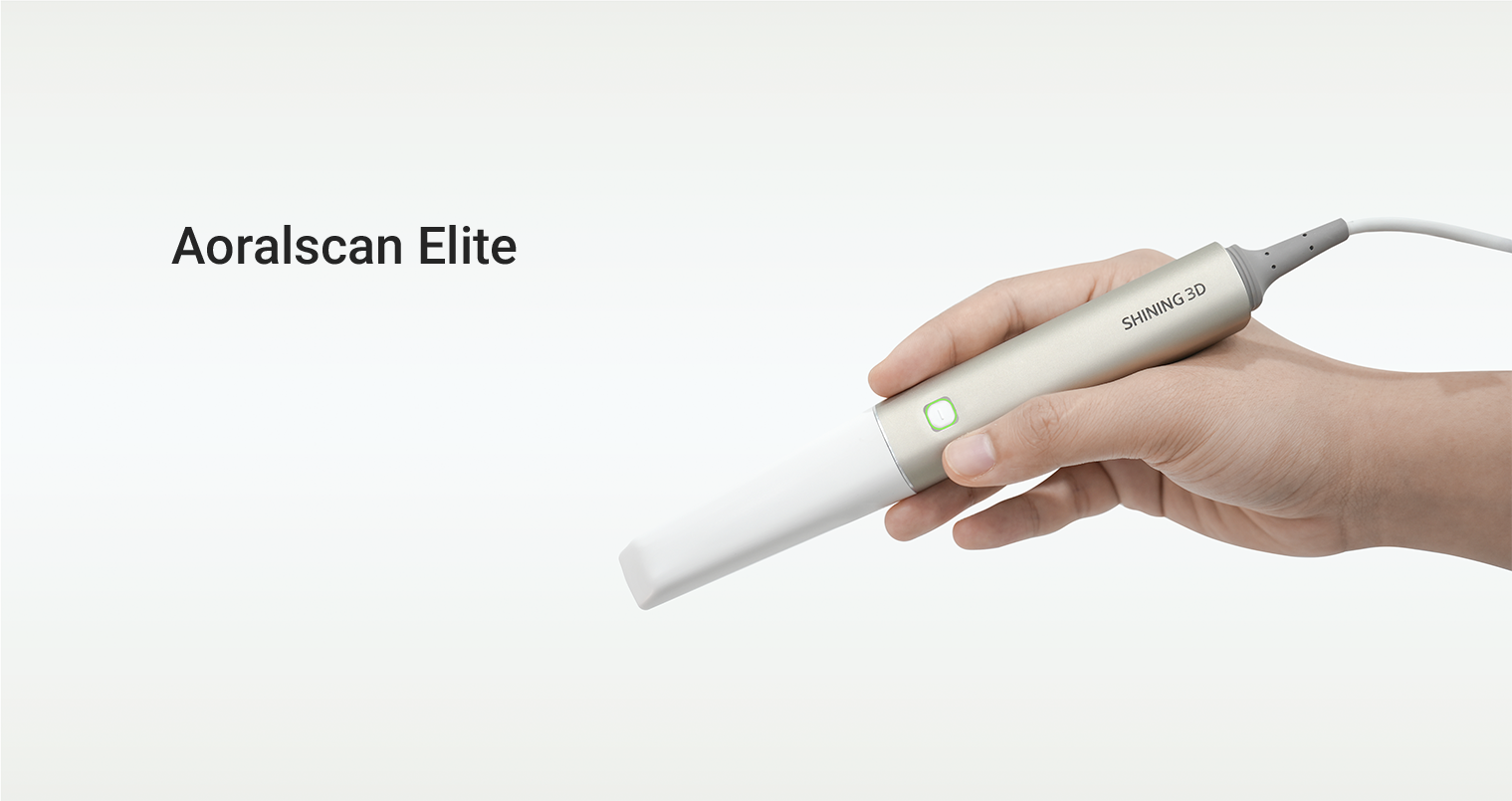
SHINING 3D DENTAL integrates IPG technology with its digital dentistry solutions, including compatible intraoral scanners such as Aoralscan Elite and Elite Wireless. This helps dental professionals incorporate implant photogrammetry into their existing digital workflows.


Advantages of Using Implant Photogrammetry in Dentistry

  1. Enhanced Data Accuracy

Accurate implant information is essential for successful prosthetic planning. Implant photogrammetry provides a digital method for recording implant positions, helping reduce uncertainty during restoration design.

With more precise data available, dental teams can improve workflow consistency and better coordinate treatment steps.

  1. Improved Collaboration Between Dentists and Laboratories

Implant treatments often require close cooperation between clinicians and dental technicians. Digital implant data allows both parties to access consistent information throughout the restoration process.

A Photogrammetry dental scanner helps simplify communication by transferring implant-related data digitally. This can reduce misunderstandings and support a smoother workflow between different teams.

  1. Greater Workflow Efficiency

Digital technologies help dental professionals reduce unnecessary manual procedures and improve overall productivity. Implant photogrammetry supports this goal by streamlining the collection and transfer of implant information. When combined with CAD/CAM systems, photogrammetry contributes to a more connected digital workflow that supports modern restorative dentistry.


The Future of Implant Photogrammetry in Digital Dentistry

As implant treatments continue to become more sophisticated, digital accuracy will remain a major focus for dental professionals. Technologies that improve data collection and workflow integration will play an increasingly important role in the future of implant dentistry.

The development of advanced solutions such as a Photogrammetry 3D scanner allows dental teams to manage implant information more effectively. These technologies support the transition from traditional procedures toward more efficient digital treatment methods.

A Photogrammetry dental scanner also represents the growing connection between clinical dentistry and digital manufacturing. By improving how implant data is captured and shared, photogrammetry helps create more predictable workflows for dentists and laboratories.


Conclusion

Implant photogrammetry is becoming an important technology in modern dentistry by improving the way implant positions are captured, transferred, and used in digital workflows. Its applications in full-arch restorations, complex implant cases, and CAD/CAM processes demonstrate its value for contemporary dental practices.

Through its IPG Intraoral photogrammetry solution, SHINING 3D DENTAL supports dental professionals in adopting more efficient digital implant workflows. As digital dentistry continues to evolve, implant photogrammetry will remain a valuable technology for improving collaboration, accuracy, and treatment planning.
ProductTechnology

How Intraoral photogrammetry Improves Accuracy in Implant Prosthetic Workflows?

by businesshelps August 10, 2026
written by businesshelps

Accurate prosthetic outcomes are one of the most important goals in implant dentistry. As implant restorations become increasingly complex, especially in full-arch cases, dental professionals need reliable digital technologies to capture precise implant information. Intraoral photogrammetry has emerged as a valuable solution by improving implant position recording and supporting more predictable prosthetic design.

With the development of digital dentistry, solutions such as a Photogrammetry 3D scanner are helping clinicians and laboratories reduce workflow challenges related to implant data transfer. SHINING 3D DENTAL’s Intraoral photogrammetry (IPG) solution provides a digital approach designed to enhance implant workflows and improve communication between dental professionals.

Why Prosthetic Accuracy Matters in Implant Dentistry?

Implant-supported prosthetics require precise planning and execution because restorations must accurately fit the patient’s oral condition. For single implant cases, minor inaccuracies may be easier to manage, but complex treatments involving multiple implants require much higher levels of precision.

Full-arch implant restorations are particularly demanding because multiple implants work together to support one prosthetic structure. Small deviations in implant position can affect the passive fit, occlusion, and overall performance of the final restoration.

Traditional impression methods may involve multiple manual procedures, and each step can introduce potential sources of error. Digital technologies aim to simplify this process by improving how implant information is captured and transferred.


How Does Photogrammetry Improve Implant Prosthetic Accuracy?

Photogrammetry uses image-based measurement technology to determine the precise position and orientation of objects. In implant dentistry, this technology captures implant locations through specialized encoded scan bodies, creating accurate digital information for restoration workflows.

A Photogrammetry dental scanner can help dental professionals collect implant position data with high efficiency. By recording the spatial relationship between implants, the technology supports more accurate communication between the clinical environment and dental laboratory.

The collected data can be integrated into digital design workflows, allowing technicians to create implant restorations based on accurate positional information. This reduces uncertainty during prosthetic planning and helps improve workflow predictability.


The Role of a Photogrammetry 3D Scanner in Digital Prosthetic Design

A Photogrammetry 3D scanner plays an important role in modern implant workflows by capturing detailed implant positioning information. Unlike traditional methods that rely heavily on physical impressions, photogrammetry focuses on digital data acquisition.

For complex implant cases, accurate digital records are essential for designing restorations that match the patient’s clinical situation. Photogrammetry technology allows dental teams to establish a reliable digital foundation before moving into CAD design and manufacturing stages.

By improving implant data accuracy, photogrammetry can support smoother cooperation between implant dentists and dental laboratories. This is especially valuable when multiple professionals are involved in planning, designing, and producing implant-supported restorations.


How SHINING 3D DENTAL IPG Supports Prosthetic Accuracy?

SHINING 3D DENTAL’s IPG, which stands for Intraoral photogrammetry, is designed to support digital implant workflows by combining photogrammetry technology with intraoral scanning.

The IPG workflow uses encoded scan bodies to capture implant positions and angles accurately. This information can then be combined with intraoral scan data to create a more complete digital representation of the patient’s oral condition.

SHINING 3D DENTAL integrates IPG technology into its digital dentistry ecosystem, including compatible intraoral scanning solutions such as Aoralscan Elite and Elite Wireless. This allows dental professionals to incorporate implant photogrammetry into their existing digital workflows.


Key Benefits of Photogrammetry for Implant Prosthetics

  1. More Reliable Implant Position Data

The accuracy of implant prosthetics depends greatly on the quality of the initial digital information. Photogrammetry helps capture precise implant locations, providing dental laboratories with dependable data for restoration design.

Reliable implant position information can support better-fitting prosthetic solutions and reduce potential adjustments during later stages of treatment.

  1. Improved Digital Workflow Efficiency

Digital implant workflows require effective cooperation between clinicians and laboratories. A Photogrammetry dental scanner helps streamline information exchange by providing digital implant data that can be transferred directly into the design process.

This approach can reduce the need for repeated physical procedures and improve overall workflow efficiency. Dental teams can spend more time focusing on treatment planning and patient care.

  1. Better Support for Complex Implant Cases

Complex implant treatments often involve multiple implants, challenging anatomical conditions, and demanding prosthetic requirements. Photogrammetry provides a digital method for capturing implant relationships more effectively.

For full-arch restorations, where accuracy is especially important, photogrammetry technology can become a valuable component of a predictable digital workflow.


Photogrammetry and the Future of Implant Prosthetic Workflows

The demand for digital solutions in implant dentistry continues to grow as dental professionals seek more efficient and accurate treatment methods. Technologies that improve data acquisition and workflow integration will continue to influence the future of prosthetic dentistry.

A Photogrammetry 3D scanner represents an important advancement by helping clinicians capture implant information digitally and efficiently. As CAD/CAM technologies continue to develop, accurate digital data will become increasingly important for designing and manufacturing implant restorations.

Similarly, a Photogrammetry dental scanner supports the transition toward fully digital implant workflows. By connecting clinical procedures with laboratory processes, photogrammetry helps create a more coordinated approach to implant prosthetics.


Conclusion

Photogrammetry can significantly support implant prosthetic accuracy by improving the way implant positions are captured and transferred into digital workflows. For complex implant treatments, especially full-arch restorations, accurate data collection is essential for achieving predictable results.

Through its IPG Intraoral photogrammetry solution, SHINING 3D DENTAL provides dental professionals with a digital tool designed to improve implant workflow efficiency and data accuracy. As digital dentistry continues to advance, photogrammetry will remain an important technology for enhancing prosthetic precision and supporting modern implant treatment.

NewsTechnology

What Does a Full-Service Energy Storage Solution Provider Offer?

by businesshelps May 9, 2026
written by businesshelps

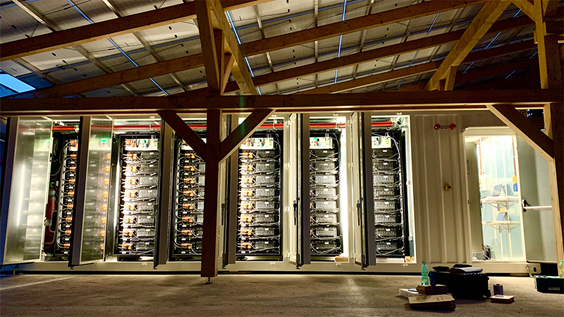
In the rapidly evolving global energy sector, energy storage companies are playing an increasingly important role in supporting renewable integration, grid stability, and distributed energy management. Unlike traditional equipment vendors, a full-service energy storage system company provides end-to-end capabilities that extend beyond hardware delivery. For developers, utilities, and commercial energy users, understanding what distinguishes a comprehensive provider is essential when selecting long-term partners. As the market matures, energy storage companies are expected not only to supply systems but also to deliver integrated engineering, digital platforms, and lifecycle support.

System Integration, Engineering, and Product Portfolio

A full-service energy storage system company typically offers integrated solutions that combine battery modules, power conversion systems, energy management software, and thermal control technologies. Leading energy storage companies ensure that these components are designed to operate as a unified system, reducing compatibility risks and improving operational efficiency. WHES, a world-leading supplier of battery energy storage systems, exemplifies this approach by offering solutions across utility, commercial & industrial, and residential segments. With three manufacturing and design centers in China, WHES maintains strong engineering capabilities and scalable production capacity to support diverse project requirements. This system-level integration allows customers to streamline deployment and reduce overall project complexity.

Global Service Network and Lifecycle Support

Beyond system delivery, a key function of a full-service energy storage system company is providing long-term operational support. This includes system commissioning, remote monitoring, predictive maintenance, and technical upgrades throughout the asset lifecycle. Strong energy storage companies also maintain global service networks to ensure rapid response and localized support. WHES has established a sales and service presence across Asia, Europe, Australia, and the Middle East, enabling consistent support for international customers. Such global reach is increasingly important as energy projects expand across multiple regulatory and operational environments.

Digital Platforms and Energy Management Capabilities

Modern energy storage companies are also expected to provide advanced digital tools for system optimization. A full-service energy storage system company integrates energy management systems that enable real-time monitoring, data analytics, and intelligent dispatch strategies. These capabilities help operators maximize system efficiency and adapt to changing grid conditions. WHES continues to enhance its digital energy solutions, ensuring that customers can manage assets more effectively across different applications and market structures.

Comprehensive Value Delivery in Energy Storage System Company Models

In summary, a full-service energy storage system company delivers value through integrated engineering, global service coverage, and advanced digital capabilities. As competition among energy storage companies intensifies, customers increasingly prioritize providers that can support the entire project lifecycle rather than isolated components. WHES demonstrates this model through its global operations, diversified product portfolio, and strong manufacturing base. For modern energy stakeholders, partnering with a capable energy storage system company is essential for achieving reliable, scalable, and efficient energy storage deployment.

TechTechnology

Understanding Maintenance Free Lead Acid Battery Technology

by businesshelps March 6, 2026
written by businesshelps

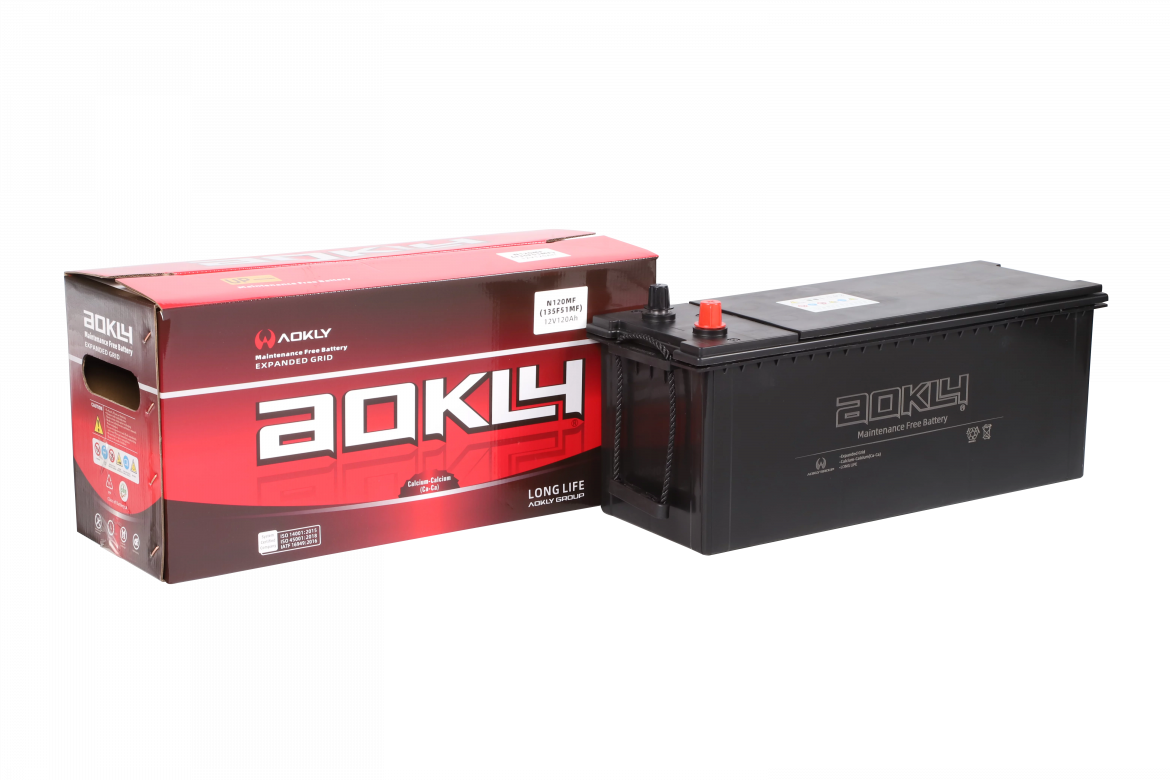
As technology progresses, lead acid battery maintenance free solutions are gaining traction in the automotive and energy storage sectors. These batteries offer a convenient, reliable option for users seeking performance without the need for frequent upkeep. This article explores the technology behind maintenance free lead acid batteries, focusing on the Aokly N120MF model, and highlights their key features and benefits.

The Technology Behind Maintenance Free Lead Acid Batteries

Maintenance free lead acid batteries, such as Aokly’s N120MF (12V120AH), are designed with advanced technology that eliminates the need for regular water refills. This is achieved through a sealed design, which prevents electrolyte evaporation and maintains optimal performance over time. The unique construction includes a strong polypropylene container, ensuring durability and resistance to leaks.

These batteries utilize an advanced lead calcium alloy, which enhances their performance characteristics. This alloy composition reduces water loss and improves discharge rates, allowing for increased cold cranking capacity. As a result, maintenance free lead acid batteries can provide reliable starting power, even in colder climates where traditional batteries might struggle.

The Aokly N120MF battery exemplifies this technology with excellent acid and vibration resistance. These features make the battery suitable for a variety of applications, including automotive use, where vibration from the engine or rough terrain can impact performance. The robust design ensures that the battery remains functional and efficient in challenging conditions.

Advantages of Maintenance Free Lead Acid Batteries

The primary appeal of maintenance free lead acid batteries lies in their low maintenance requirements. Users are freed from periodic checks on electrolyte levels, allowing them to focus on other vehicle maintenance tasks instead. This aspect is particularly beneficial for busy individuals or those who may not have technical expertise.

Moreover, the N120MF lead acid battery is ready to be used straight out of the box, making installation straightforward. Users can easily connect the battery and begin using it without the worry of regular upkeep. Additionally, the recommended charging method—constant current charging with less than 0.1C or constant voltage charging within a range of 14.2V to 14.6V—ensures that the battery remains healthy and performs optimally over time.

Storage is also simplified; the N120MF can be stored in a cool, dry place away from direct sunlight. If stored for over half a year, users are advised to charge the battery before use to ensure optimal performance.

Embracing the Convenience of Maintenance Free Technology

In summary, maintenance free lead acid batteries are a significant advancement in battery technology, offering reliability and convenience for a range of applications. The Aokly N120MF model, with its advanced materials and sealed design, exemplifies the benefits of this technology. By eliminating the need for regular maintenance, users can enjoy a dependable power source without the hassle of constant upkeep, making it an ideal choice for modern users. Transitioning to maintenance free lead acid battery technology not only enhances performance but also simplifies the overall battery management process.

ManufacturerTechnology

Step-by-Step Planning & Execution Guide for a Successful Solar PV Project

by businesshelps December 10, 2025
written by businesshelps

Planning a successful solar PV project begins with a clear evaluation of energy needs, available land, grid accessibility, and long-term operational goals. At this stage, defining system scale and understanding regulatory frameworks help avoid delays later in the process. They, DMEGC Solar, typically supply information related to utility-level module specifications to support early decision-making, but project owners still need to focus on broader technical and environmental assessments. Early clarity ensures that the solar PV project enters the design phase with realistic expectations and stable development pathways.

Designing the System Framework

The design phase of a solar PV project involves engineering layouts, selecting module technologies, and evaluating system losses under real-world conditions. This is also where utility-grade technology becomes relevant. They, DMEGC Solar, offer advanced N-type modules developed for Utility PV application scenarios, which help planners understand performance requirements for large installations. These modules deliver high output and operate reliably under diverse environmental conditions, contributing to more stable grid-level deployment without overstating capabilities. Incorporating accurate modeling tools at this stage allows a solar PV project to transition smoothly into procurement and construction.

Executing Construction & Commissioning

Once engineering is finalized, construction begins with site preparation, mounting installation, cabling, and inverter configuration. A solar PV project depends heavily on proper sequencing, safety procedures, and real-time quality checks to ensure each component performs as designed. They, DMEGC Solar, support utility-scale solar farms with high-output modules backed by a 30-year linear power warranty, offering long-term stability as part of the system. Clear coordination among contractors and technical teams reduces commissioning issues and improves the operational reliability of the solar PV project.

Conclusion: Ensuring Long-Term Project Success

A well-executed solar PV project follows a structured pathway—from planning to design and finally construction. Each phase requires accurate information, realistic assessments, and coordinated execution. They, DMEGC Solar, contribute technology suitable for large-scale installations, but project success ultimately relies on thoughtful preparation and consistent engineering discipline. By approaching each phase methodically, a solar PV project can achieve dependable performance and long-term operational value.

Technology

A Technical Comparison: Floating Ball Valve versus Trunnion Ball Valve

by businesshelps November 28, 2025
written by businesshelps

Selecting the correct ball valve design is a fundamental decision in pipeline engineering. Two prevalent designs are the floating ball valve and the trunnion ball valve, each possessing distinct mechanical principles and application suitability. For manufacturers like Neway Valve, which produces both China stainless steel floating ball valves and trunnion models, understanding this distinction is crucial for system integrity.

The Fundamental Mechanical Principle

The core difference lies in how the ball is supported and transfers force. In a floating ball valve, the ball is free to move or “float” slightly along the vertical axis. System pressure from the upstream side pushes the ball against the downstream seat, creating a mechanical seal. This design is effective for lower to medium pressure applications. The construction of a floating ball valve relies on the seat material’s resilience to maintain sealing under this pressure.

Application in High-Pressure Environments

A trunnion ball valve incorporates a fixed ball, supported by a shaft or “trunnion” at the top and bottom. This anchoring prevents the ball from shifting under pressure. Instead of relying on line pressure to create the seal, the seats are spring-loaded and pushed against the stationary ball. This mechanism makes the trunnion design superior for high-pressure and large-diameter pipelines, a critical consideration for industrial valve selection beyond the scope of standard China stainless steel floating ball valves.

Maintenance and Operational Longevity

The operational forces and wear patterns differ between the two types. The sliding motion and pressure-assisted sealing in a floating ball valve can lead to higher seat wear over time, especially during frequent cycling. The trunnion valve’s fixed ball and mechanically actuated seats result in lower operating torque and reduced seat wear, enhancing its service life in demanding, high-cycle duties. This impacts long-term maintenance schedules and total cost of ownership.

The choice between a floating and trunnion ball valve is not a matter of superiority but of correct technical application. The decision hinges on specific operational parameters: pressure class, pipe diameter, and required cycle life. Engineers specify a floating ball valve for its cost-effectiveness and reliability in standard duties, while turning to trunnion models for more severe service conditions. Manufacturers like Neway Valve provide both designs to meet this spectrum of industrial requirements.

ManufacturerTechnology

 Power Over Ethernet Transformers: A Versatile Solution for Modern Connectivity

by businesshelps November 25, 2025
written by businesshelps

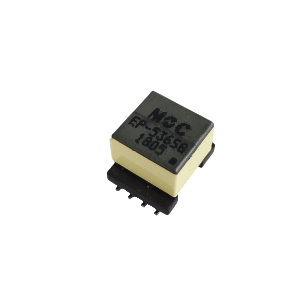
In today’s digital age, the demand for reliable and efficient power solutions is paramount. Mentech, a leading brand in networking technology, provides innovative Power Over Ethernet (PoE) transformers that cater to various applications. These devices not only deliver power but also facilitate data transmission to multiple connected devices, streamlining operations across various sectors.

Networking Equipment: The Backbone of Connectivity

PoE transformers are essential in networking equipment, distributing power and data to devices such as VoIP phones, WLAN access points, and network routers. By utilizing power over ethernet transformers, organizations can reduce the clutter of power adapters and streamline their network installations. This technology simplifies the deployment of networking equipment, allowing businesses to enhance their communication systems without the hassle of extensive wiring.

Smart IoT: Empowering the Future

In the realm of smart IoT (Internet of Things), PoE transformers play a vital role in powering devices that enhance automation and security. From smart lighting systems to secure surveillance cameras, Mentech’s Power Over Ethernet transformers provide a reliable power source, enabling seamless connectivity and control. As the IoT landscape continues to expand, the importance of PoE transformers becomes increasingly evident, ensuring devices remain functional and efficient.

Industrial & Medical Equipment: Ensuring Reliability

Power Over Ethernet transformers are not just limited to commercial applications; they are also crucial in industrial and medical settings. Mentech’s PoE transformers support various applications, ensuring that essential equipment operates smoothly and reliably. By powering devices used in healthcare and industrial environments, Mentech helps organizations maintain high standards of performance and safety.

Conclusion

In conclusion, Mentech’s Power Over Ethernet transformers offer a versatile and efficient solution for powering diverse devices across networking, IoT, and industrial applications. With their ability to simplify installations and enhance connectivity, these transformers are an invaluable asset for businesses looking to optimize their operations.

InnovationTechnology

Experience Immersive Viewing with GOOVIS

by businesshelps October 23, 2025
written by businesshelps

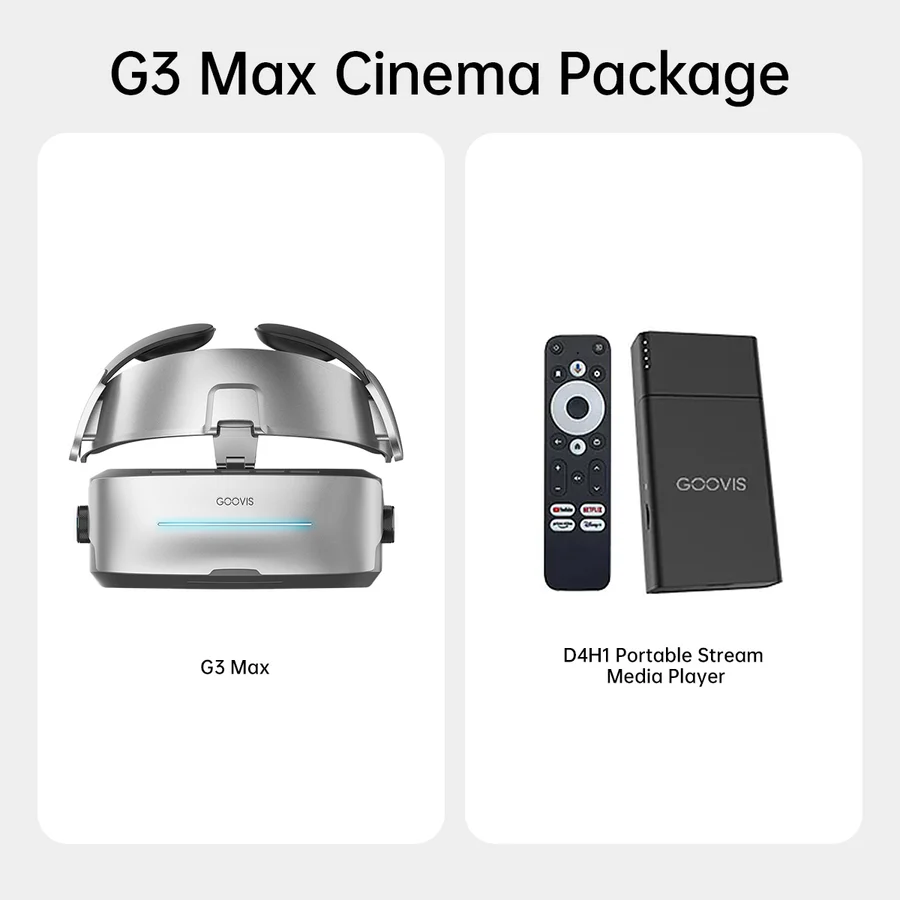
For enthusiasts seeking an immersive visual experience, GOOVIS offers innovative solutions in the field of personal entertainment. Their head-mounted display combines advanced optical technology with dual 2.5K Sony Micro OLED panels, creating a virtual screen that replicates a large theater experience in a compact form. Users can enjoy high clarity and color fidelity, with visuals free from distortion or glare, making it suitable for movies, gaming, and 3D content.

Advanced Visual Performance

The head-mounted display by GOOVIS is designed to provide consistent clarity and vibrant contrast. Its ASPH optical system ensures that every frame maintains sharpness across the screen. With a refresh rate of up to 120Hz, users can experience smooth gameplay with minimal motion blur. This makes the GOOVIS G3 Max not only suitable for cinematic experiences but also for interactive entertainment where responsiveness and detail are important.

Comfortable and Practical Design

One of the key features of the GOOVIS G3 Max is their attention to user comfort. The headset utilizes gravity-balanced ergonomics and carefully distributed pressure points, allowing long viewing sessions without discomfort. Additionally, a flip-up visor provides the convenience of checking surroundings without removing the head-mounted display, maintaining immersion while offering practicality for everyday use.

Cinematic 3D Experiences

GOOVIS also supports Blu-ray 3D and Side-by-Side 3D formats, delivering layered dimensionality and depth. With simple controls, users can switch to a cinematic 3D experience instantly. The combination of high color gamut coverage and precise optical engineering ensures that visuals appear detailed and engaging, enhancing both movie and gaming experiences.

Conclusion

Overall, GOOVIS provides a head-mounted display solution that blends high visual fidelity with ergonomic design. They focus on creating a portable, immersive environment for both entertainment and gaming. By combining advanced display technology with comfort-oriented design, GOOVIS offers a unique option for users looking to enjoy a cinematic experience in a personal, flexible format.

InnovationTechnology

Improving UAV Flight Accuracy with Benewake Drone Height Sensors

by businesshelps October 22, 2025
written by businesshelps

In today’s UAV operations, precise altitude measurement plays a crucial role in safety and performance. Benewake offers advanced drone height sensor solutions that help industrial and commercial UAVs maintain reliable flight heights. They focus on providing dependable technology that ensures drones navigate accurately even in complex or challenging environments. Accurate altitude sensing is particularly important in industrial settings where drones operate near equipment, structures, or uneven terrain, and traditional GPS signals may not provide sufficient reliability.

Benefits of the Drone Height Sensor

The Benewake TFA170-L 10 g 170 m LiDAR provides high-precision altitude data, enhancing drone navigation and flight stability even in challenging environments like dusty or uneven terrains. This long-range, lightweight single-point LiDAR features a compact design (31.0 mm × 30.2 mm × 19.2 mm) with a special reflective optical path, making it ideal for integration into tight drone airframes or gimbals without affecting payload capacity. As a market-proven product capable of passing DO-160G certification, the TF series has accumulated shipments of over 1,000,000 units, allowing operators to maintain accurate flight control, reduce collision risks, and perform extended missions efficiently.

Applications in UAV Operations

They emphasize that the drone height sensor is ideal for UAVs that require close-range altitude monitoring. These sensors are widely used in situations where maintaining consistent distances from the ground or objects is critical for operational safety. Benewake ensures the sensors are easy to integrate and compatible with a variety of UAV platforms, which provides flexibility across different mission types. Whether performing industrial inspections, monitoring mining activities, or assisting in infrastructure surveys, the drone height sensor enhances situational awareness and reliability, giving operators more confidence in complex environments.

Conclusion

Overall, Benewake’s drone height sensor delivers accurate altitude measurement and supports safer UAV operations. They continue to enhance their products to meet the evolving demands of industrial UAV applications. By utilizing these sensors, operators gain better flight control, improved navigation reliability, and enhanced safety margins during operations. The combination of practical design, versatility, and precise sensing reflects Benewake’s dedication to advancing UAV technology for industrial use, making their drone height sensor a valuable addition to any UAV system.

InnovationTechnology

Aion Auto的智能駕駛解決方案 埃安V L2級駕控解析

by businesshelps October 15, 2025
written by businesshelps

廣汽埃安旗下的埃安V,不僅在續航與空間上表現出色,更在智能駕駛領域展現領先技術。作為Aion Auto系列的重要代表,埃安V的L2級智能駕控系統結合高算力硬體與全面安全輔助功能,為駕駛者提供舒適、安全的駕駛體驗。

先進智駕硬體配置

廣汽埃安V配備3R1V智駕硬體,包括前向雷達、環視攝像頭及高性能感測器,與高通SA8155P晶片配合,實現快速數據處理與準確判斷。無論是城市道路還是高速公路,埃安V都能靈敏響應周邊環境變化,提升行車安全與駕控精準度。

主動安全與智能輔助

L2級智能駕駛系統涵蓋多項主動安全功能,如車道保持輔助、碰撞預警與自動緊急制動等。搭配四音區語音自然交互、在線導航與音樂娛樂,埃安V不僅保障駕駛安全,也提升駕乘舒適性與便利性。駕駛者可享受半自動駕駛體驗,減輕長途行車疲勞,並在日常通勤中獲得更高效率。

結語

作為Aion Auto智能駕駛解決方案的重要落地車型,埃安V通過3R1V硬體配置和多項主動安全輔助,展現廣汽埃安在智能駕控技術上的實力。這套系統不僅提升駕駛安全性,也為使用者帶來便捷、智慧的駕駛體驗,充分體現埃安V作為旗艦智能SUV的價值與魅力。

  • 1
  • 2

Recent Posts

  • What Can Residential Users Monitor and Control with FoxCloud 2.0?
  • Selecting the Right PCS Voltage Architecture for Modern Energy Storage Systems
  • Central Lab Services: How Integrated Sample Management Reduces Variability in Global Trials
  • Терморегулятор Промышленный Для Контроля Температуры В Условиях Постоянных Перепадов Окружающей Среды
  • What Industries Use Automated Storage Crane Solutions?

Rencent Comments

No comments to show.

About Me

About Me

Designer

Sed ut perspiciatis unde omnis iste natus sit voluptatem accusantium dolor emque.

Keep in touch

Facebook Twitter Instagram Pinterest Behance Youtube

Popular Posts

  • 1

    Guide to the Onboarding Process in Mobile Apps

  • 2

    Aion Auto的智能駕駛解決方案 埃安V L2級駕控解析

  • 3

    為何廣汽埃安ES特別適合香港城市駕駛需求

  • 4

    Mega Navigation Menu Design Trends in Modern Websites

  • 5

    The New Rules for Scrolling in Web Design

  • 6

    What in the World Are Microinteractions?

Categories

  • App Design (6)
  • Architecture (1)
  • Automobile (1)
  • Biology (2)
  • Business (81)
  • Desgin (5)
  • Dress (1)
  • Economy (25)
  • Furniture (1)
  • Global Trade (32)
  • Healthcare (1)
  • Industry (97)
  • Innovation (42)
  • Jewelry (4)
  • Machine (4)
  • Manufacturer (28)
  • Market (29)
  • Medical (14)
  • News (59)
  • Product (13)
  • Tech (48)
  • Technology (14)
  • UI/UX (7)
  • Web Design (7)
  • Facebook
  • Twitter
  • Instagram
  • Pinterest
  • Behance
  • Youtube
  • Bloglovin
businesshelps
  • Home
  • UI/UX
  • Web Design
  • App Design