businesshelps
  • Home
  • UI/UX
  • Web Design
  • App Design
Category:

Tech

NewsTech

Cold Runner Systems in LSR Molding: Can They Completely Eliminate Sprue and Runner Waste?

by businesshelps March 17, 2026
written by businesshelps

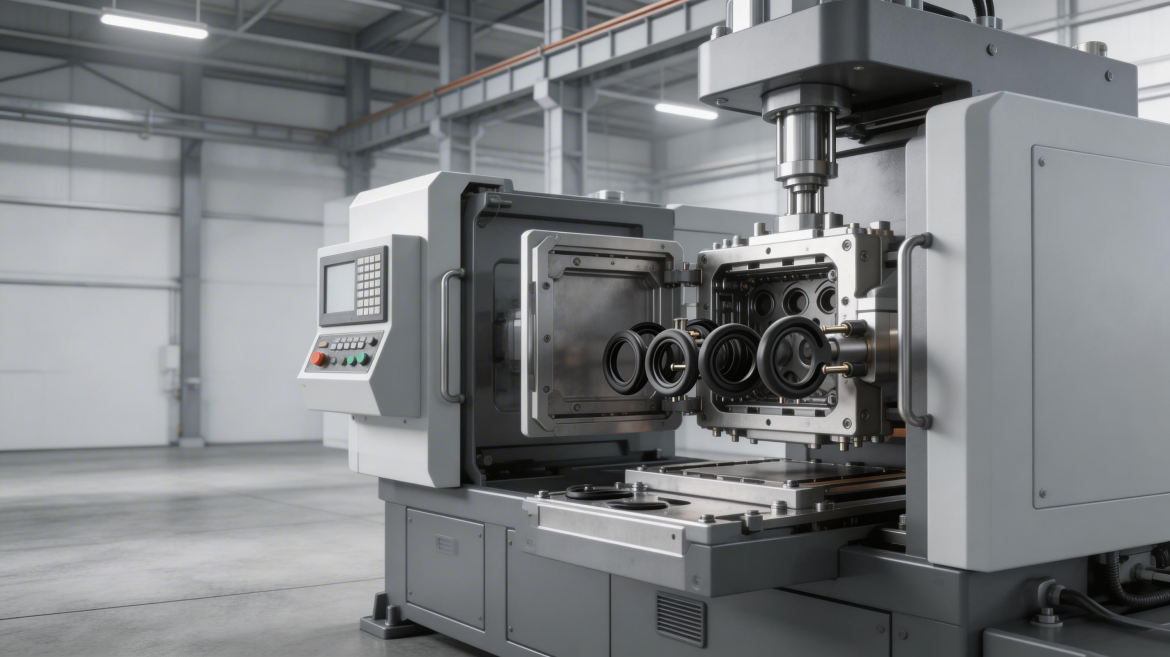
Liquid Silicone Rubber (LSR) processing has evolved significantly in recent years, and the answer to whether rubber injection molding can eliminate sprue and runner waste is a definitive yes. Unlike traditional methods where the feed channel cures and is subsequently discarded, a properly engineered cold runner system utilizes water-cooled nozzle assemblies to maintain the silicone in an uncured, liquid state right up to the injection point. This advanced technology not only eliminates material waste but also optimizes cycle times for high-volume production. For industries such as medical device manufacturing and automotive engineering, this efficiency is critical. By preventing premature vulcanization in the runner, manufacturers can achieve near-zero material waste and significantly lower the unit cost for high-precision components.

Engineering Efficiency in Cold Runner Systems

Cold runner technology fundamentally changes the thermal dynamics of the molding process. By isolating temperature zones, manufacturers achieve superior control over material behavior and significant cost reductions compared to traditional hot runner or cold deck methods used in other sectors.

Thermal Control and Valve Gate Mechanics

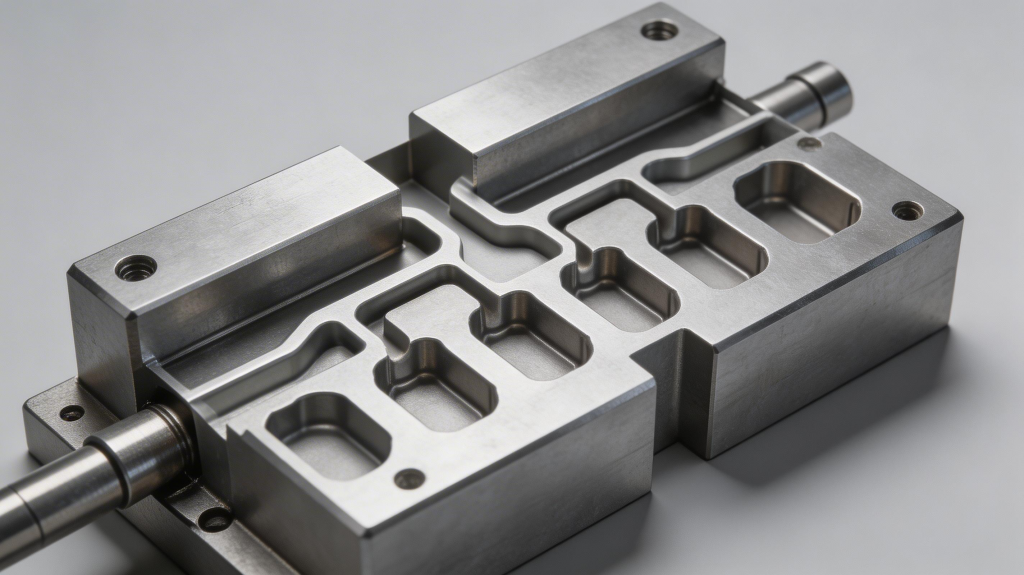
The core of a successful cold runner system lies in its ability to maintain strict thermal separation between the cooled manifold and the heated cavity. Advanced liquid silicone rubber injection molding machine setups employ water-cooled nozzle jackets and PID-controlled manifold plates to keep the material temperature low. This precise thermal management prevents scorching or pre-curing within the feed channel, which is a common issue in injection molding rubber processes that lack adequate thermal isolation.

Furthermore, the implementation of valve gate technology is pivotal. Pneumatic or spring-loaded needle valves physically shut off the flow at the gate location immediately after injection. This mechanism effectively eliminates the “drool” often seen in open nozzle systems and ensures a clean break at the part surface. Consequently, the molded parts require zero gate trimming or secondary deflashing operations, streamlining the production line and ensuring consistent quality.

Economic Impact and Waste Reduction

Implementing cold runner systems dramatically shifts the ROI calculation for injection molded rubber projects. In traditional runner systems, the cured sprue can account for a significant percentage of the total material volume—waste that must be discarded or downcycled, which is often not possible with cured thermosets. Cold runners allow for near 100% material utilization by injecting material directly into the part cavity.

This is particularly impactful when using high-cost materials like optical-grade or medical-grade LSR. Additionally, because the runner does not need to cure and cool, the total cycle time is reduced. This capability allows for simultaneous dosing and curing, significantly increasing throughput for critical automotive rubber injection molding components like self-lubricating seals and battery gaskets. The removal of sprue cooling time from the cycle translates directly to higher machine efficiency and lower energy consumption per unit.

Livepoint Tooling’s Advanced Rubber Injection Molding Services

As a leading rubber injection molding manufacturer, Livepoint Tooling leverages vertically integrated manufacturing to deliver high-precision solutions. Our expertise spans from initial mold flow analysis to final production, ensuring optimal part quality and consistency for global clients.

Custom LSR and Multi-Component Solutions

Livepoint Tooling specializes in delivering complex rubber injection molding services tailored to specific industry needs. Our capabilities include advanced overmolding and insert molding processes, which are essential for creating multi-material components in the New Energy Vehicle (NEV) and medical sectors. By utilizing high-precision tooling with tolerances as tight as 0.005mm, we minimize flash and ensure that every molded part meets rigorous dimensional specifications.

We support clients from the prototype phase to mass production, offering rapid tooling solutions that help launch products up to 50% faster than industry averages. This agility allows for rapid design validation of complex geometries, such as micro-molded catheter tips or soft-touch buttons, without the commitment of full production tooling initially. Our engineering team optimizes the rheology of the feed channel to maintain laminar flow, ensuring that even the most intricate features are filled consistently.

Quality Assurance and Global Standards

Reliability is paramount in B2B manufacturing, especially for safety-critical applications. Livepoint Tooling operates under strict quality management systems, holding ISO 9001 and IATF 16949 certifications. These protocols govern every stage of the production lifecycle, from raw material inspection to automated vision systems that detect minute defects.

Our integration of Manufacturing Execution Systems (MES) allows for full lot-to-lot traceability, ensuring that clients in regulated industries receive components that adhere to the highest safety and performance standards. Whether manufacturing waterproof seals for consumer electronics or high-clarity respiratory diaphragms, our process control ensures uniformity across millions of cycles. This commitment to quality and traceability establishes us as a trusted partner for global supply chains seeking robust and scalable molding solutions.

The transition to cold runner systems represents a strategic investment in efficiency and sustainability. By eliminating sprue waste and shortening cycle times, manufacturers can achieve a competitive edge in cost and quality. Livepoint Tooling stands ready to support this transition with expert engineering and state-of-the-art production facilities.

Contact our engineering team today to conduct a feasibility analysis on converting your production to a cold runner system and maximize your material efficiency.

NewsTech

Compressed Air Solutions for Food Processing Plants

by businesshelps March 16, 2026
written by businesshelps

In the food processing industry, maintaining high standards of cleanliness and efficiency is crucial. Implementing effective compressed air system solutions is essential for ensuring product quality, safety, and operational effectiveness.

Importance of Clean Air Standards

Food processing plants rely heavily on compressed air for various applications. However, using contaminated compressed air can pose significant risks to product quality and safety. This is where advanced industrial air purification systems come into play. These systems ensure that the compressed air used in production is free from contaminants such as moisture, oil, and particulate matter. By adopting high-quality compressed air system solutions, facilities can maintain stringent hygiene standards, thereby safeguarding both their products and consumers. Such commitment to cleanliness not only enhances product integrity but also promotes overall operational efficiency.

Enhancing Efficiency and Reliability

In addition to ensuring air purity, efficient compressed air system solutions can significantly enhance the overall reliability of operations. Energy-efficient compressors and customized air dryers are vital components that help reduce energy consumption while maintaining optimal performance. By integrating these advanced solutions, food processing plants can effectively lower operational costs and improve overall productivity. Furthermore, a consistent and reliable air supply enables uninterrupted processes, minimizing downtime and maximizing output. This not only leads to higher efficiency but also ensures that production schedules are met without delays, supporting a smoother workflow throughout the entire operation. Ultimately, these enhancements contribute to the sustainable growth and success of the facility.

In conclusion, adopting effective compressed air solutions is essential for food processing plants to ensure product safety and operational efficiency. By utilizing advanced industrial air purification systems and optimizing air supply systems, businesses can achieve higher reliability and performance standards. For tailored and efficient compressed air system solutions, Lingyu specializes in delivering innovative designs that meet the unique needs of the food processing industry, positioning firms for sustained success.

TechTechnology

Understanding Maintenance Free Lead Acid Battery Technology

by businesshelps March 6, 2026
written by businesshelps

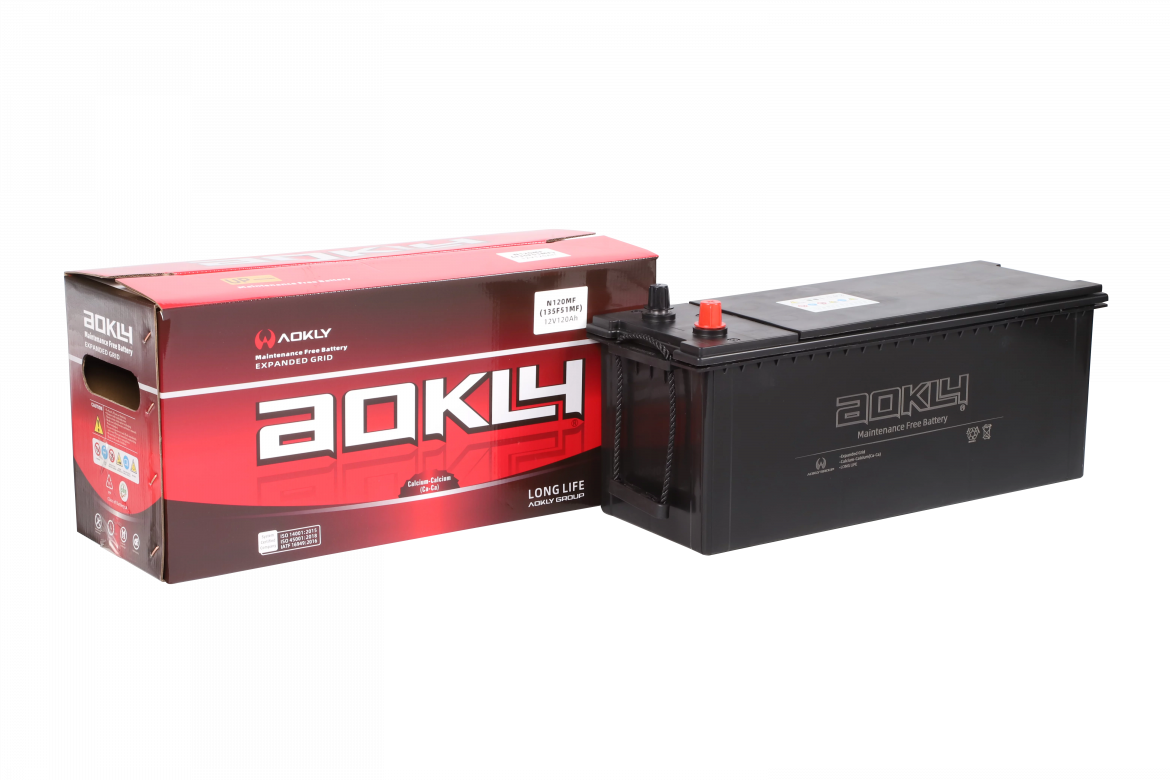
As technology progresses, lead acid battery maintenance free solutions are gaining traction in the automotive and energy storage sectors. These batteries offer a convenient, reliable option for users seeking performance without the need for frequent upkeep. This article explores the technology behind maintenance free lead acid batteries, focusing on the Aokly N120MF model, and highlights their key features and benefits.

The Technology Behind Maintenance Free Lead Acid Batteries

Maintenance free lead acid batteries, such as Aokly’s N120MF (12V120AH), are designed with advanced technology that eliminates the need for regular water refills. This is achieved through a sealed design, which prevents electrolyte evaporation and maintains optimal performance over time. The unique construction includes a strong polypropylene container, ensuring durability and resistance to leaks.

These batteries utilize an advanced lead calcium alloy, which enhances their performance characteristics. This alloy composition reduces water loss and improves discharge rates, allowing for increased cold cranking capacity. As a result, maintenance free lead acid batteries can provide reliable starting power, even in colder climates where traditional batteries might struggle.

The Aokly N120MF battery exemplifies this technology with excellent acid and vibration resistance. These features make the battery suitable for a variety of applications, including automotive use, where vibration from the engine or rough terrain can impact performance. The robust design ensures that the battery remains functional and efficient in challenging conditions.

Advantages of Maintenance Free Lead Acid Batteries

The primary appeal of maintenance free lead acid batteries lies in their low maintenance requirements. Users are freed from periodic checks on electrolyte levels, allowing them to focus on other vehicle maintenance tasks instead. This aspect is particularly beneficial for busy individuals or those who may not have technical expertise.

Moreover, the N120MF lead acid battery is ready to be used straight out of the box, making installation straightforward. Users can easily connect the battery and begin using it without the worry of regular upkeep. Additionally, the recommended charging method—constant current charging with less than 0.1C or constant voltage charging within a range of 14.2V to 14.6V—ensures that the battery remains healthy and performs optimally over time.

Storage is also simplified; the N120MF can be stored in a cool, dry place away from direct sunlight. If stored for over half a year, users are advised to charge the battery before use to ensure optimal performance.

Embracing the Convenience of Maintenance Free Technology

In summary, maintenance free lead acid batteries are a significant advancement in battery technology, offering reliability and convenience for a range of applications. The Aokly N120MF model, with its advanced materials and sealed design, exemplifies the benefits of this technology. By eliminating the need for regular maintenance, users can enjoy a dependable power source without the hassle of constant upkeep, making it an ideal choice for modern users. Transitioning to maintenance free lead acid battery technology not only enhances performance but also simplifies the overall battery management process.

NewsTech

User-Centric Design: What Makes a Conference LED Screen Easy to Operate?

by businesshelps March 4, 2026
written by businesshelps

In the rapidly evolving world of corporate technology, the complexity of hardware often acts as a barrier rather than a bridge to productivity. For years, the professional “audio-visual” setup was synonymous with tangled cables, specialized control rooms, and a constant reliance on IT support. However, as the focus of modern business shifts toward agility and hybrid collaboration, a new philosophy has taken hold: user-centric design. This principle dictates that a conference LED screen should be as intuitive to use as a smartphone, allowing teams to focus on their ideas rather than the interface.

The Psychology of Intuitive Operation in High-Stakes Meetings

At its core, user-centric design in display technology is about reducing “cognitive load.” In a high-pressure meeting, the human brain is already occupied with processing data, reading social cues, and making strategic decisions. When a user has to pause to figure out how to switch an input or adjust the volume, it breaks the flow of communication and creates “tech anxiety.”

Modern engineering addresses this through “affordance”—designing features that visually or logically suggest how they should be used. For example, a physical button on the front of a screen is more “affordable” than a hidden menu three layers deep in a remote control. Similarly, a graphical user interface (GUI) that mimics familiar tablet OS layouts allows users to transfer their existing digital skills to the large-format display without a learning curve. This familiarity is the cornerstone of making a screen truly “easy to operate.”

Engineering the “All-in-One” Philosophy

The most significant advancement in making the conference LED screen user-friendly is the transition to “All-in-One” (AIO) architectures. Historically, an LED wall required a separate processor, a sending box, a dedicated audio system, and a complex network of internal wiring. The AIO approach integrates these disparate components into a single, slim chassis.

From a “popular science” perspective, this integration is an incredible feat of thermal and electronic engineering. By condensing the power supply, receiving card, and hub board onto a single integrated circuit, manufacturers can reduce internal wiring by nearly 90%. For the end-user, this translates to “Plug-and-Play” simplicity. Instead of waiting for a system to warm up or checking multiple power sources, a modern AIO display can boot up in as little as five seconds—comparable to a consumer television but with the industrial-grade performance required for a boardroom.

The Impact of Wireless Synergy and Touch Interaction

Ease of use also extends to how we share content. The days of hunting for the correct dongle or cable are being replaced by high-speed wireless standards like Wi-Fi 6. User-centric displays now support multi-device screen mirroring, allowing participants to share content from laptops, tablets, or smartphones with a single tap.

Furthermore, the introduction of advanced touch technologies, such as Lidar and infrared sensing, has turned the static display into an interactive canvas. Lidar touch, in particular, is a breakthrough; it uses light detection and ranging to create an invisible sensing field over the screen. This allows for incredibly precise interaction—even in large formats—without the lag or interference issues common in older technologies. When a presenter can simply walk up to the screen and annotate a slide or swipe through a gallery, the technology becomes an extension of their natural gestures.

QSTECH LED: Setting the Standard for Seamless Integration

When discussing the leaders of this user-centric revolution, the contribution of QSTECH cannot be overlooked. As a brand that has spent over three decades perfecting the professional display experience, they have moved beyond merely making screens “bright” to making them “smart.” Their design philosophy is centered on the “Three Goods”: Good Looking, Good Sound, and most importantly, Good Use.

QSTECH LED systems are built on a foundation of high-performance architecture. By utilizing a flagship system, they ensure that the user interface remains fluid and responsive, even when decoding 8K video or running multiple applications. They understand that a laggy interface is the enemy of a good meeting, which is why their systems are optimized for a “silky smooth” experience that feels instantaneous.

Versatility and Control with the X-Wall V3

The embodiment of their user-first approach is the X-Wall V3 series. This product stands as a masterclass in how to simplify a complex professional tool. One of the standout features of the X-Wall V3 is its dual-system compatibility. By supporting both Android 13.0 and Windows 10, they provide a flexible environment that caters to the specific software needs of any IT department while maintaining a simple, TV-like launcher for the daily user.

Precision is evident in every detail of the X-Wall V3. For instance, their “3-in-1” board technology doesn’t just improve reliability; it allows the screen to maintain a remarkably slim profile. In terms of maintenance, they have pioneered a fully front-access design. This means that in the rare event of a hardware issue, a technician can hot-swap a module from the front in seconds, without ever needing to take the screen off the wall or disrupt the room’s furniture.

Furthermore, the X-Wall V3 addresses the “audio” side of ease-of-use. They have engineered a side-seam sound emission system that delivers a maximum sound pressure of 95dB. This ensures that the person operating the screen isn’t overwhelmed by volume, while those at the back of the room hear every word with perfect clarity.

Leading the Future of Smart Conferences

As a premier brand under the CVTE umbrella, they leverage world-class R&D to solve the “real-world” pain points of the modern office. They don’t just build hardware; they build “green” ecosystems that are energy-efficient, with standby power consumption as low as 0.5W, ensuring the technology is as easy on the environment as it is on the user.

If you are ready to eliminate the technical friction from your meetings and empower your team with a truly user-centric QSTECH solution, the X-Wall V3 is the ideal place to start. Their displays provide the perfect blend of aesthetic elegance and industrial-grade reliability, making professional communication effortless.

NewsTech

Applications of Pressure Sensor Systems

by businesshelps February 26, 2026
written by businesshelps

Electrical systems that monitor physical forces often require supplementary data to ensure reliable performance. A pressure sensor serves as a key component in these designs, detecting force, weight, or fluid levels. To maintain its specified accuracy, engineers frequently incorporate other devices to account for environmental variables. Sourcing the appropriate mix of electronic components from a dependable distributor supports the complete development process.

Managing Environmental Influence on Readings

The output signal from a pressure sensor can be susceptible to changes in its operating environment, particularly temperature. For applications demanding high precision, this thermal effect must be measured and corrected. A common solution involves placing a dedicated temperature-sensing component adjacent to the pressure sensor on the circuit board. This arrangement provides the necessary data to implement compensation algorithms, which stabilize the pressure readings.

Integrating a Compact Temperature Interface

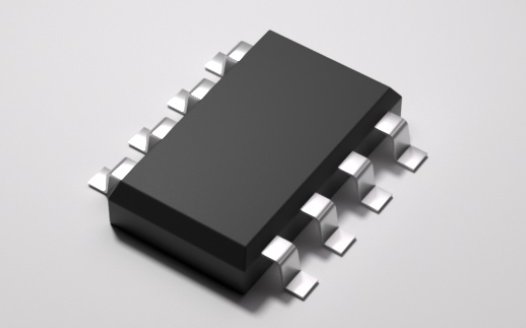
The MAX6625RMTT+T from ADI is an example of a component used for this purpose. It is a digital temperature sensor in a small SOT23 package that communicates via an I²C-compatible serial interface. Its 9-bit to 12-bit resolution allows for detailed thermal monitoring. When this part is utilized alongside a pressure sensor, it delivers precise local temperature information, enabling the system’s software to adjust and validate the pressure data accurately.

The Role of Verified Component Distribution

The success of a compensated sensing system depends on the predictable behavior of each part. Both the primary pressure sensor and the secondary temperature sensor must perform exactly as specified by their manufacturers. Unibetter facilitates this by distributing electronic components procured through official franchised channels. This focus ensures all items are authentic and quality-assured, which helps mitigate performance risk and supports effective project budgeting.

Effective system integration combines primary sensing with support for environmental factors. A pressure sensor provides the core measurement, while components like digital temperature sensors enable accuracy over a wider range of conditions. Utilizing a distributor that specializes in sourcing genuine parts from certified supply chains offers a straightforward path to acquiring the necessary pressure sensor and supporting electronics for a robust and reliable design.

NewsTech

Beyond Basics: TCT Show’s Comprehensive Scope in AM Technologies

by businesshelps February 5, 2026
written by businesshelps

Additive manufacturing is evolving rapidly, and TCT Asia demonstrates how far the industry has come. This year, at China 3D Printing Expo 2026 in Shanghai (March 17-19), visitors can explore more than the basics of 3D printing. TCT Asia provides a platform to witness the integration of advanced processes, materials, and equipment, revealing opportunities for innovation across design, engineering, and manufacturing stages.

Exploring Advanced Metal 3D Printing Solutions / Systems

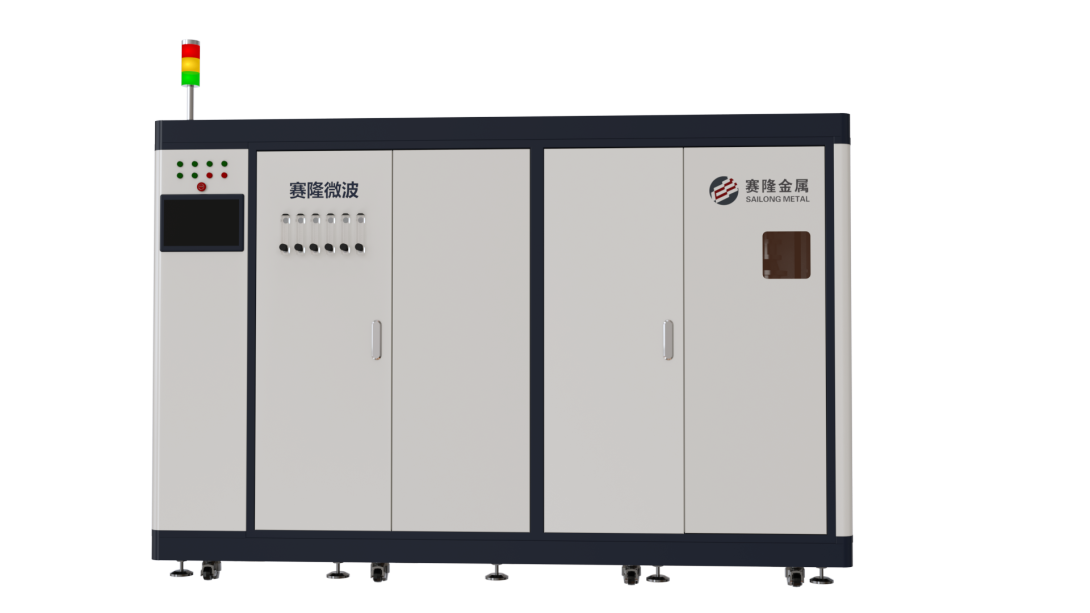
At the exhibition, attendees can experience cutting-edge Metal 3D Printing Solutions / Systems that go beyond traditional additive manufacturing. Companies like Xi’an Sailong showcase their Sailong Microwave Plasma Powder Production Equipment, capable of producing spherical powders of metals and ceramics, including titanium alloys, iron-based alloys, and high-temperature ceramics. By combining high-power microwave plasma generators with precise temperature and gas control systems, they ensure materials are produced efficiently and sustainably. This illustrates how TCT Asia supports companies in optimizing their Metal 3D Printing Solutions / Systems for better performance.

Live Demonstrations and Industry Collaboration at the TCT Show

Hands-on experience remains crucial in understanding additive manufacturing. The TCT show emphasizes live demonstrations, allowing designers, engineers, and buyers to directly interact with equipment and materials. Visitors can see how Sailong Microwave Plasma Powder Production Equipment integrates flexible manufacturing and low-carbon technologies, highlighting sustainable practices. By engaging with over 400 exhibitors and 25,000 industry professionals, participants gain insights to adopt and optimize Metal 3D Printing Solutions / Systems in real-world applications.

Conclusion: Driving Innovation Through Knowledge and Collaboration

In summary, TCT Asia goes beyond showcasing products—it fosters education, collaboration, and the adoption of advanced additive manufacturing. From specialized Metal 3D Printing Solutions / Systems to sustainable powder production technologies, the TCT show at China 3D Printing Expo 2026 provides a comprehensive view of the industry. By attending, participants gain valuable exposure to innovations, practical applications, and networking opportunities, positioning themselves to make informed decisions in 3D printing and additive manufacturing.

NewsTech

Autosteer Kits for Tractors: Key Considerations for Installation and Performance

by businesshelps January 28, 2026
written by businesshelps

Modern agriculture increasingly relies on technology to improve efficiency and precision. EFIX provides solutions for farmers seeking enhanced operational accuracy. One key innovation is the tractor autosteer kit, which allows tractors to follow predefined paths with minimal manual input. These systems integrate with existing tractor hydraulics and electronics, offering a practical way to optimize fieldwork. Farmers can benefit from reduced overlap during planting or spraying, saving time and resources while maintaining consistent crop coverage.

Compatibility with Different Tractor Models

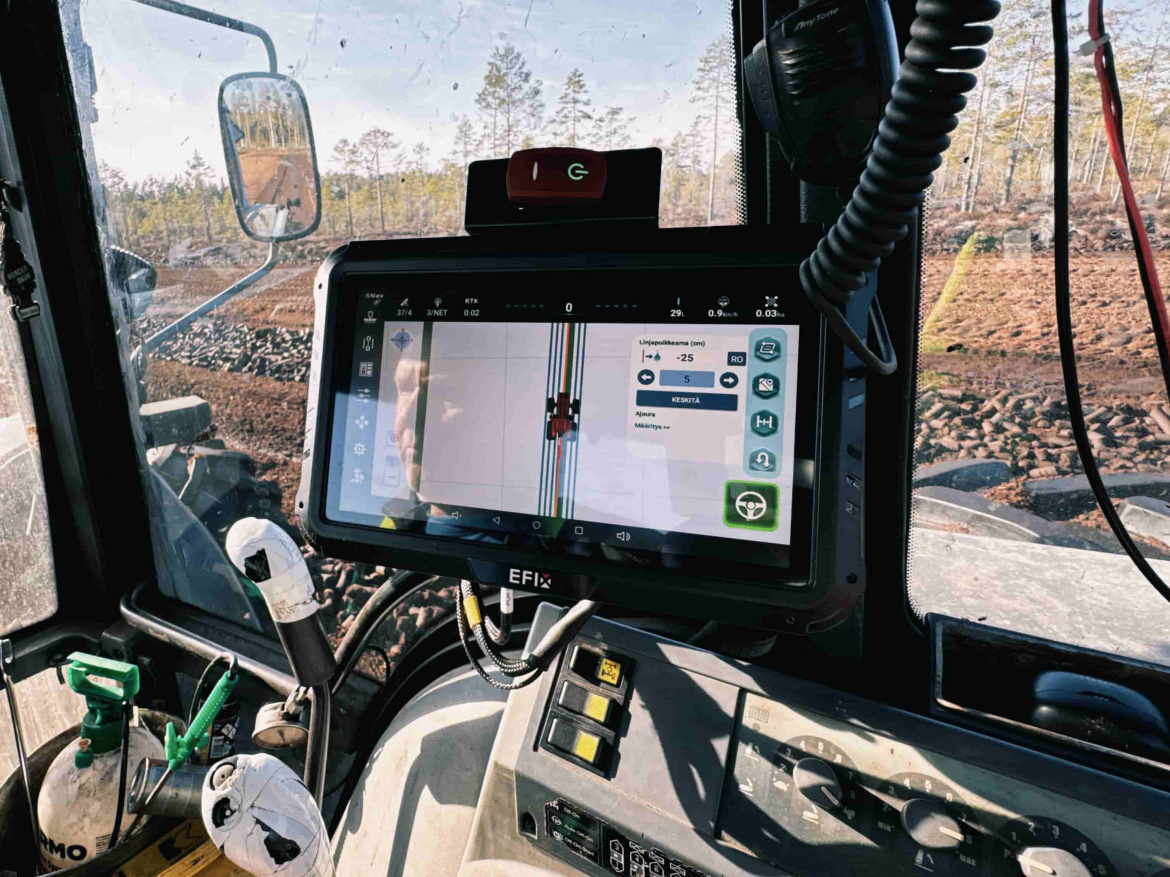
The effectiveness of tractor autosteer kits depends on their compatibility with various tractor models. They are designed to adapt to different hydraulic systems, steering mechanisms, and electronic controls. EFIX ensures their products, such as the eSteer10, support a wide range of tractor brands without requiring extensive modifications. Users can verify compatibility through specifications provided on the official website. Proper matching of equipment is essential to guarantee the kit operates smoothly and avoids unintended strain on the tractor components.

Installation Process and Practical Considerations

Installing a tractor autosteer kit requires careful attention to detail. These systems typically include control modules, sensors, and mounting hardware. EFIX provides installation guides for the eSteer10, helping technicians position sensors accurately and connect electronics securely. Proper calibration is critical to achieving precise path following. Additionally, operators need to adjust settings according to field conditions, such as slope, soil type, and implement configuration. Correct installation ensures the system delivers reliable performance and reduces manual steering effort.

Performance and Operational Benefits

Once installed, a tractor autosteer kit improves operational consistency and reduces operator fatigue. The system can maintain straight lines, follow curves, and adapt to complex field layouts. EFIX emphasizes that performance also depends on periodic maintenance and system checks to ensure sensors and electronics remain aligned. By integrating technology like the eSteer10, farmers can increase efficiency and potentially reduce input costs without compromising crop health. This combination of automation and field adaptability reflects ongoing advancements in precision agriculture.

Conclusion: Enhancing Precision with Autosteer Systems

In conclusion, EFIX offers practical solutions for modern farming through their tractor autosteer kits. Compatibility, careful installation, and proper calibration are key to achieving optimal results. Systems like the eSteer10 demonstrate how technology can complement traditional farming practices, offering measurable improvements in efficiency and accuracy. Farmers adopting these kits gain more consistent field operations, reduced manual workload, and the ability to manage larger areas effectively. Precision agriculture continues to evolve, and autosteer systems represent a significant step toward smarter, more efficient farm management.

NewsTech

 How Does a Multi-Fiber System Prevent Crosstalk Between Channels?

by businesshelps January 27, 2026
written by businesshelps

The performance of multi-fiber photometry systems plays a pivotal role in advancing neurobiological research by providing insights into neural circuit activities. One of the key features of a successful fiber photometry system is its ability to minimize crosstalk between channels, ensuring that the signals from multiple neural sites are recorded accurately and distinctly.

The Mechanism Behind Crosstalk Prevention

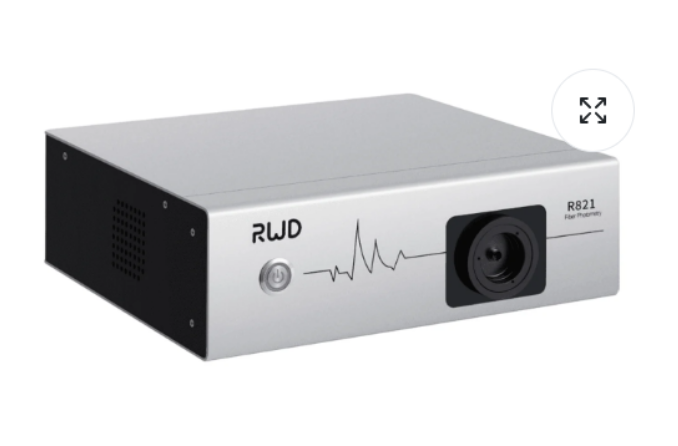
Crosstalk in fiber photometry occurs when signals from adjacent channels interfere with one another, leading to inaccurate readings. The FR-21 tricolor multichannel fiber photometry system addresses this challenge by employing a sophisticated approach to signal separation. This system utilizes different wavelengths of excitation light—410nm, 470nm, and 560nm—to differentiate between signals. The 410nm wavelength is critical as it serves as a reference signal, effectively filtering out noise and enhancing data clarity.

By leveraging varying wavelengths, this multi-fiber system distinguishes signals from different sources, such as the green fluorescence indicator GCaMP and the red fluorescence indicator RCaMP. Such differentiation is crucial for recording fluorescence intensity changes across nine sites simultaneously, maintaining the integrity of the data collected.

Advantages of Multi–Fiber Photometry Systems

The long-term stable monitoring capabilities of the multi-fiber photometry system enable research into neuronal population activity in freely moving animals. By correlating neural activity with animal behavior, researchers can gain deeper insights into the workings of neural circuits. The ability of the FR-21 system to efficiently manage signal separation allows for precise measurements, advancing our understanding of complex neural interactions.

BPLabline’s Role in Advancing Fiber Photometry

BPLabline stands out as a leader in providing advanced multi-fiber photometry systems, such as the FR-21. Their commitment to innovation ensures that researchers have access to top-tier technology for studying neural dynamics. By minimizing crosstalk and enabling accurate readings, BPLabLine’s systems are facilitating significant advancements in neurobiological research, thereby contributing to the overall progress in the field.

NewsTech

Elevate Performance with Optimized Energy

by businesshelps January 23, 2026
written by businesshelps

Reliable energy storage has become a cornerstone for businesses that depend on electric vehicles and industrial machinery. ROYPOW delivers advanced solutions tailored to meet these requirements. Their forklift batteries provide consistent performance and extended service life, allowing warehouse operators and logistics teams to maintain smooth, uninterrupted operations. By prioritizing functional design and durability, they address real-world challenges without relying on exaggerated claims.

Optimized Power for Golf Carts

In addition to industrial vehicles, ROYPOW offers solutions for recreational electric transportation. Their ezgo golf cart batteries are engineered for sustained performance during prolonged use, supporting frequent charging cycles while maintaining reliable energy output. Golf course operators and private owners can depend on these batteries to ensure smooth operation, minimizing interruptions and maintenance needs.

Advanced Storage Solutions

Beyond vehicle-specific applications, ROYPOW extends its expertise to freight and marine energy storage. Their lithium-ion technology ensures that the performance, safety, and efficiency found in forklift batteries and ezgo golf cart batteries scales effectively for larger storage systems. These solutions are designed for environments where space, reliability, and durability are critical, such as warehouses and maritime operations. Rigorous quality control ensures consistent output and long-term usability.

Supporting Long-Term Operational Goals

For businesses seeking dependable energy solutions, ROYPOW provides products that balance performance, safety, and practicality. Whether integrating forklift batteries into daily operations or using ezgo golf cart batteries for recreational purposes, their solutions reflect a thorough understanding of industry needs. By focusing on durable and consistent energy performance, they help optimize productivity while reducing operational downtime, delivering practical value across multiple applications.

NewsTech

Impact of AI on Frequency Regulation in Power Systems

by businesshelps January 4, 2026
written by businesshelps

Integration of artificial intelligence (AI) is altering the methodologies for managing grid stability. Specifically, AI applications are enhancing the precision and predictive capability of frequency regulation processes. This technological shift allows for more proactive management of the balance between electricity supply and demand, introducing new efficiencies into frequency regulation in power systems.

Predictive Analytics for Proactive Response

AI algorithms can process vast datasets from weather forecasts, historical load patterns, and real-time generation outputs. By analyzing these data streams, AI models predict potential frequency deviations before they occur. This predictive insight enables grid operators or automated systems to pre-position resources, moving frequency regulation from a purely reactive task to a more anticipatory function. This proactive stance strengthens the overall approach to frequency regulation in power systems.

Optimization of Distributed Resource Coordination

Modern grids incorporate numerous distributed assets, such as battery storage and renewable plants. AI excels at orchestrating these diverse resources in real-time. For frequency regulation, AI-based control systems can determine the optimal mix of assets to dispatch—considering response speed, state of charge, and cost—to correct a frequency event with maximum efficiency and minimal wear on individual components.

Enhancing Algorithmic Control and Resilience

AI continuously refines the control algorithms used in battery storage and other fast-responding assets. Through machine learning, these systems can adapt their response strategies based on the unique characteristics of a specific grid. This improves the accuracy of corrective injections and can help identify subtle grid anomalies that may precede larger instability, thereby contributing to greater systemic resilience.

The application of AI represents a significant technical evolution in grid management strategy. Its role in advancing frequency regulation centers on predictive analytics, multi-asset optimization, and adaptive control. HyperStrong incorporates these advanced computational principles into its system design philosophy. Their engineering focus includes leveraging AI to improve the performance and value of storage assets in providing essential grid services. The technical direction pursued by HyperStrong aligns with the increasing complexity of modern power networks, where intelligent automation is becoming integral to reliable operation.

  • 1
  • 2
  • 3
  • …
  • 5

Recent Posts

  • The Impact of Suction Power on Selective Soldering Fume Extractors
  • The Future of Industrial Cobots: Enhanced Sensing and True Autonomy
  • Best 10 Spray Paint Brands for High-Quality Finishes in 2026
  • Best 10 Sealant Brands for Kitchen & Bathroom Waterproofing in 2026
  • Heat Resistance Standards for SPC Flooring Production Machine Components

Rencent Comments

No comments to show.

About Me

About Me

Designer

Sed ut perspiciatis unde omnis iste natus sit voluptatem accusantium dolor emque.

Keep in touch

Facebook Twitter Instagram Pinterest Behance Youtube

Popular Posts

  • 1

    Guide to the Onboarding Process in Mobile Apps

  • 2

    為何廣汽埃安ES特別適合香港城市駕駛需求

  • 3

    Aion Auto的智能駕駛解決方案 埃安V L2級駕控解析

  • 4

    Mega Navigation Menu Design Trends in Modern Websites

  • 5

    The New Rules for Scrolling in Web Design

  • 6

    What in the World Are Microinteractions?

Categories

  • App Design (6)
  • Architecture (1)
  • Biology (2)
  • Business (80)
  • Dress (1)
  • Economy (25)
  • Furniture (1)
  • Global Trade (32)
  • Industry (87)
  • Innovation (39)
  • Jewelry (2)
  • Machine (1)
  • Manufacturer (15)
  • Market (29)
  • Medical (11)
  • News (38)
  • Product (2)
  • Tech (46)
  • Technology (11)
  • UI/UX (7)
  • Web Design (7)
  • Facebook
  • Twitter
  • Instagram
  • Pinterest
  • Behance
  • Youtube
  • Bloglovin
businesshelps
  • Home
  • UI/UX
  • Web Design
  • App Design