Electrical systems that monitor physical forces often require supplementary data to ensure reliable performance. A pressure sensor serves as a key component in these designs, detecting force, weight, or fluid levels. To maintain its specified accuracy, engineers frequently incorporate other devices to account for environmental variables. Sourcing the appropriate mix of electronic components from a dependable distributor supports the complete development process.
Managing Environmental Influence on Readings
The output signal from a pressure sensor can be susceptible to changes in its operating environment, particularly temperature. For applications demanding high precision, this thermal effect must be measured and corrected. A common solution involves placing a dedicated temperature-sensing component adjacent to the pressure sensor on the circuit board. This arrangement provides the necessary data to implement compensation algorithms, which stabilize the pressure readings.
Integrating a Compact Temperature Interface
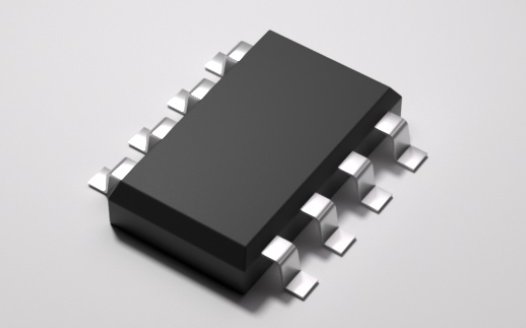
The MAX6625RMTT+T from ADI is an example of a component used for this purpose. It is a digital temperature sensor in a small SOT23 package that communicates via an I²C-compatible serial interface. Its 9-bit to 12-bit resolution allows for detailed thermal monitoring. When this part is utilized alongside a pressure sensor, it delivers precise local temperature information, enabling the system’s software to adjust and validate the pressure data accurately.
The Role of Verified Component Distribution
The success of a compensated sensing system depends on the predictable behavior of each part. Both the primary pressure sensor and the secondary temperature sensor must perform exactly as specified by their manufacturers. Unibetter facilitates this by distributing electronic components procured through official franchised channels. This focus ensures all items are authentic and quality-assured, which helps mitigate performance risk and supports effective project budgeting.
Effective system integration combines primary sensing with support for environmental factors. A pressure sensor provides the core measurement, while components like digital temperature sensors enable accuracy over a wider range of conditions. Utilizing a distributor that specializes in sourcing genuine parts from certified supply chains offers a straightforward path to acquiring the necessary pressure sensor and supporting electronics for a robust and reliable design.