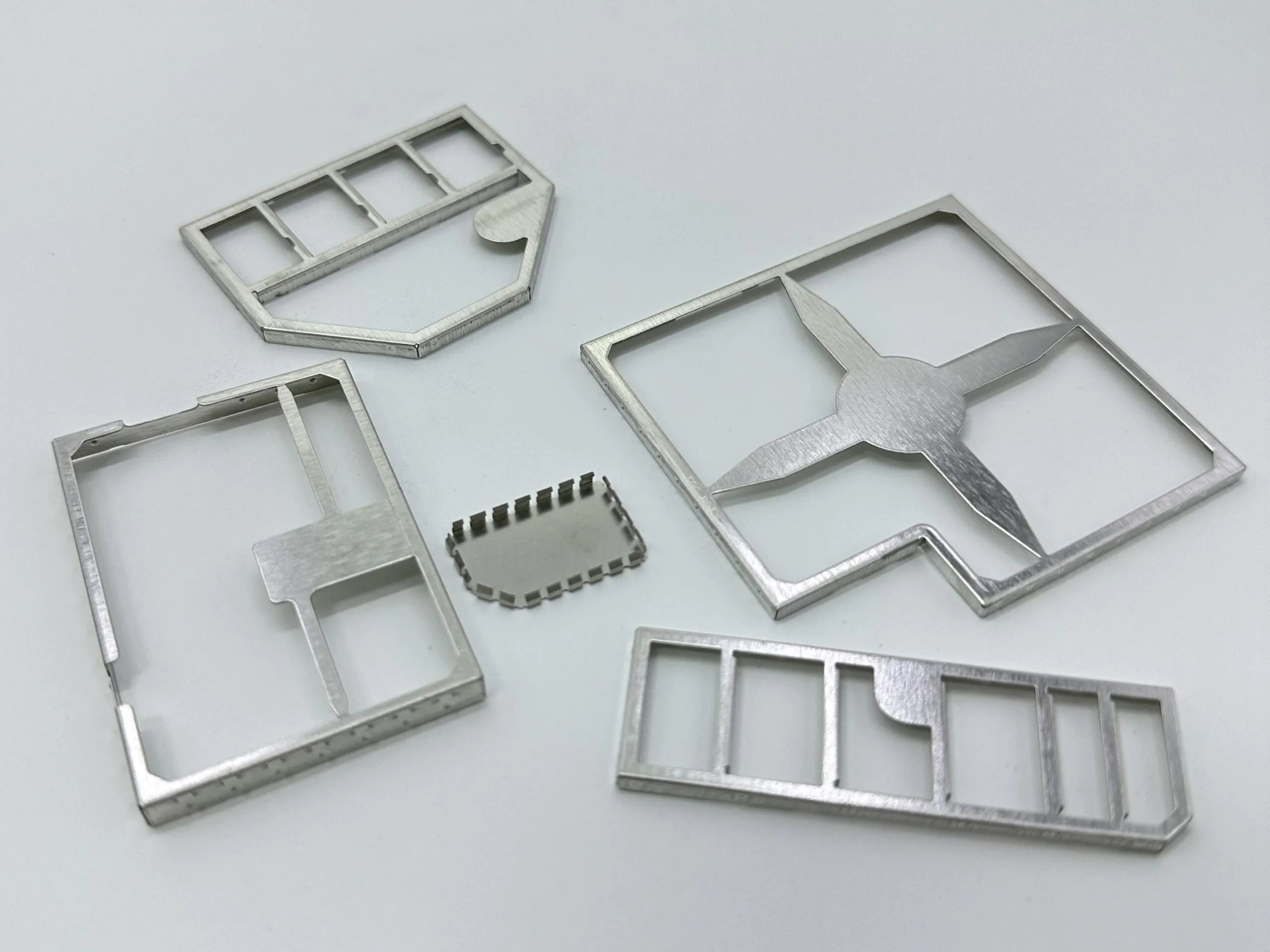
The purpose of electromagnetic shielding is to prevent external electromagnetic interference from disrupting the performance of sensitive devices. As electronic systems become more compact and integrate more functions into smaller spaces, their internal components face higher risks of unwanted signal intrusion. This makes electromagnetic shield solutions increasingly important for maintaining stable operation. These shields act as controlled barriers that block disruptive fields, helping electronic parts maintain consistent signal quality and predictable behavior under various working conditions.
In many industrial and commercial environments, electromagnetic waves from motors, power systems, wireless devices, and communication modules can easily enter unprotected circuits. Shielding methods are therefore used to manage these influences and preserve electromagnetic compatibility, commonly known as EMC. When manufacturers consider long-term reliability, minimizing interference is often a foundational step, since stable performance depends on the ability of internal components to operate without distortion.
Why EMI Shielding Matters in Real Applications
A well-designed electromagnetic shield ensures that signals inside a device remain accurate, which is essential for systems used in communication, sensing, control, and automation. Without sufficient protection, interference may lead to delays, noise, or misinterpretation of data. These issues can affect everything from consumer electronics to industrial machinery. As a result, electromagnetic shielding has become a standard practice when designing hardware for demanding environments.
When engineers and procurement teams evaluate shielding, they typically assess structural integrity, material behavior, and compatibility with the device layout. Many projects require solutions that balance durability and efficient production, supporting consistent function over time. This is particularly relevant for companies working with enclosures, mechanical structures, or thermal modules, where shielding often works together with other protective features.
A basic understanding of shielding theory also helps product developers choose suitable materials and surface treatments. Conductive metals, layered structures, and enclosure-based protection are common approaches that help reduce unwanted coupling. By integrating these methods early, developers can improve system stability without unnecessary redesigns.
Product Role and Practical Behavior of EMI Shields
An electromagnetic shield is essentially a protective element surrounding or covering critical parts that must remain unaffected by external fields. It supports the internal functions of sensors, modules, and control boards by limiting how much interference reaches them. The main goal is not only to block disruptive energy but also to maintain the intended performance level throughout the device’s service life. As systems become more complex, electromagnetic shielding contributes to both performance consistency and safety.
When these solutions are used in assemblies that involve metal frames or thermal structures, they must fit precisely with surrounding components. This is where manufacturing capabilities become important. They design and produce shields that meet structural and dimensional expectations without complicating assembly steps. For many projects, this reduces unnecessary adjustments and supports predictable integration.
As a metal component manufacturer, Dingmetal plays a role in providing these shielding solutions. They develop and produce EMI shields according to specific project requirements, using controlled processes to support accuracy and stable quality. Their experience allows them to work with a range of applications that require EMC management. Through consistent production and careful engineering, Dingmetal helps companies incorporate functional shielding into their systems without disrupting the overall design flow.
Conclusion: How EMI Shielding Supports Long-Term Performance
The purpose of electromagnetic shielding is to ensure that electronic devices operate without interruption from external electromagnetic activity. By applying an effective electromagnetic shield, engineers protect critical components, enhance system stability, and reduce the risk of performance loss. As more industries rely on compact electronics and mixed-signal environments, structured shielding becomes an essential part of product design. With their manufacturing capabilities and application knowledge, Dingmetal provides shielding solutions that help products maintain reliability and control electromagnetic exposure throughout their lifecycle.