Implant dentistry increasingly relies on digital technologies to improve treatment planning, communication, and restoration efficiency. Among these technologies, implant photogrammetry has gained attention for its ability to capture precise implant-related information during complex procedures. By integrating advanced imaging methods with digital workflows, implant photogrammetry helps dental professionals manage challenging cases with greater confidence.
As dental practices and laboratories continue adopting digital solutions, the use of a Photogrammetry 3D scanner is becoming an important part of modern implant workflows. SHINING 3D DENTAL’s Intraoral photogrammetry (IPG) solution provides a digital approach that supports implant data acquisition and helps connect clinical procedures with laboratory processes.
What Is Implant Photogrammetry in Dentistry?
Implant photogrammetry is a digital technology used to record the exact position and orientation of dental implants. It works by capturing images of specially designed scan bodies placed on implants and calculating their spatial relationships. In modern photogrammetry dental implant workflows, this technology helps clinicians obtain precise implant data for more predictable treatment planning and restoration design.
Unlike traditional implant impression methods that rely on physical materials and manual transfers, photogrammetry focuses on digital data collection. A photogrammetry dental implant workflow allows dental professionals to capture implant position information and integrate it into digital dentistry systems, improving communication between clinics and laboratories.
This approach is particularly useful for complex implant treatments, including multiple implant cases and full-arch restorations. Accurate implant data provides a foundation for designing prosthetic solutions that are better aligned with the patient’s clinical condition.
How Is Implant Photogrammetry Used During Dental Procedures?
The application of implant photogrammetry usually begins after implant placement. Dental professionals attach encoded scan bodies to the implants, allowing the scanning system to identify their precise locations and angles.
A Photogrammetry dental scanner captures multiple images of these reference points and processes the information to generate accurate implant position data. The digital information can then be transferred into dental design software for further planning and prosthetic development.
This workflow allows clinicians and dental technicians to work with reliable digital records instead of depending only on conventional transfer methods. As a result, implant treatment planning can become more efficient and coordinated.
Applications of Implant Photogrammetry in Dental Treatments
- Supporting Full-Arch Implant Restorations
One of the most common applications of implant photogrammetry is full-arch implant treatment. These cases involve several implants supporting a complete prosthetic restoration, making accurate positioning essential.
Because multiple implants must work together, even small positioning differences may affect restoration design and fitting. Implant photogrammetry helps capture the relationship between implants, providing valuable information for creating full-arch prosthetic solutions.
For dental laboratories, access to precise implant data can simplify the design process and improve collaboration with clinicians.
- Improving Complex Implant Case Management
Implant photogrammetry is also useful for complex cases where accurate implant information is critical. These may include patients with multiple implants or cases requiring highly customized restorations.
By providing a digital record of implant positions, photogrammetry supports better communication between treatment providers. Dentists and technicians can review digital information more efficiently and make decisions based on consistent data.
- Integrating With Digital Dentistry Workflows
Modern dental workflows often combine intraoral scanning, CAD design, and digital manufacturing. Implant photogrammetry complements these technologies by providing accurate implant-related information.
A Photogrammetry 3D scanner can work as part of a broader digital ecosystem, allowing implant data to be combined with other digital records. This integration helps create a more complete workflow from clinical scanning to restoration production.
How SHINING 3D DENTAL IPG Supports Implant Photogrammetry?
SHINING 3D DENTAL’s IPG solution, also known as Intraoral photogrammetry, is designed to support implant workflows by combining photogrammetry technology with intraoral scanning capabilities.
The IPG workflow uses encoded scan bodies to capture implant positions and angles. These digital records can be combined with intraoral scan data to provide a more comprehensive representation of the patient’s oral condition.
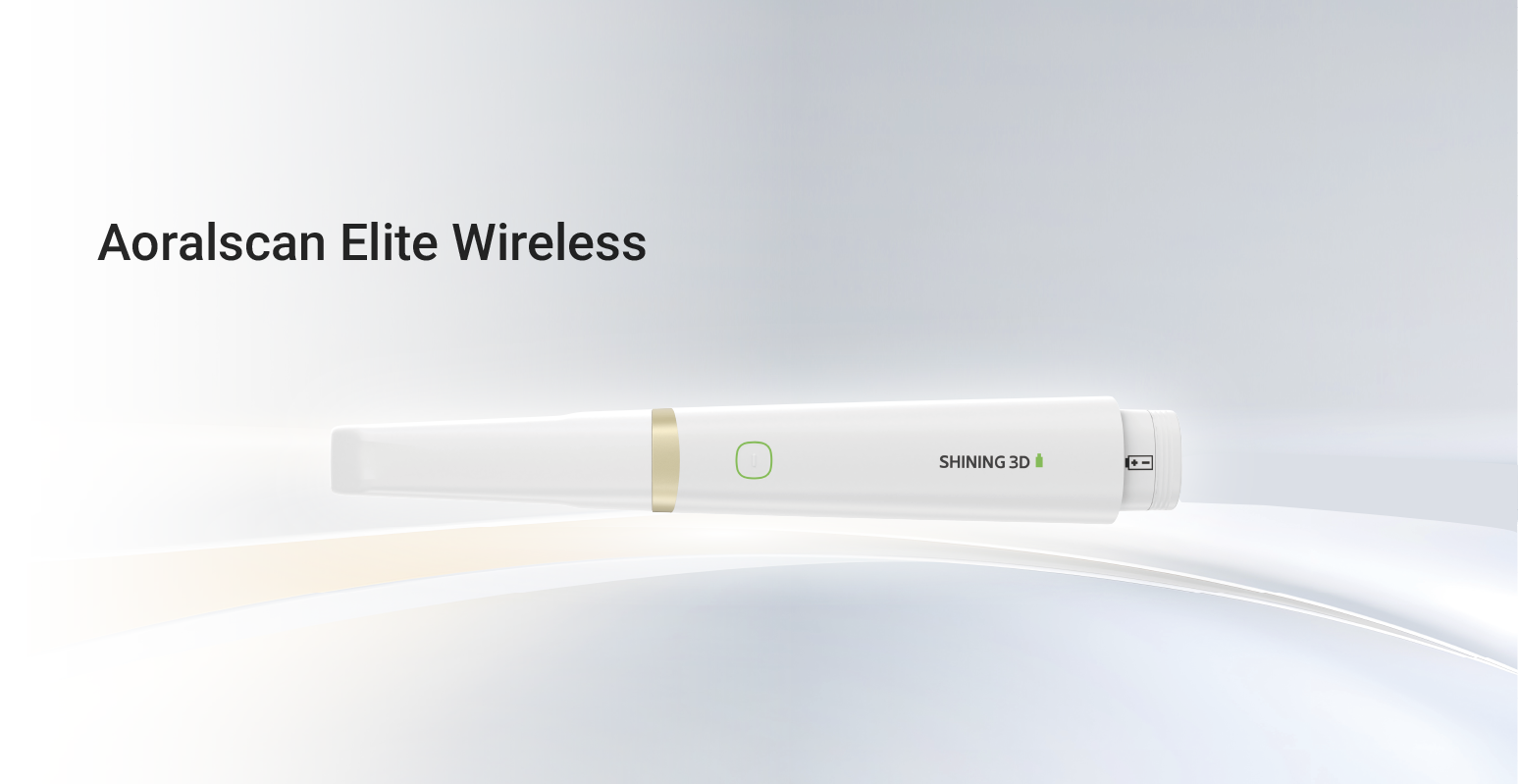
SHINING 3D DENTAL integrates IPG technology with its digital dentistry solutions, including compatible intraoral scanners such as Aoralscan Elite and Elite Wireless. This helps dental professionals incorporate implant photogrammetry into their existing digital workflows.
Advantages of Using Implant Photogrammetry in Dentistry
- Enhanced Data Accuracy
Accurate implant information is essential for successful prosthetic planning. Implant photogrammetry provides a digital method for recording implant positions, helping reduce uncertainty during restoration design.
With more precise data available, dental teams can improve workflow consistency and better coordinate treatment steps.
- Improved Collaboration Between Dentists and Laboratories
Implant treatments often require close cooperation between clinicians and dental technicians. Digital implant data allows both parties to access consistent information throughout the restoration process.
A Photogrammetry dental scanner helps simplify communication by transferring implant-related data digitally. This can reduce misunderstandings and support a smoother workflow between different teams.
- Greater Workflow Efficiency
Digital technologies help dental professionals reduce unnecessary manual procedures and improve overall productivity. Implant photogrammetry supports this goal by streamlining the collection and transfer of implant information. When combined with CAD/CAM systems, photogrammetry contributes to a more connected digital workflow that supports modern restorative dentistry.
The Future of Implant Photogrammetry in Digital Dentistry
As implant treatments continue to become more sophisticated, digital accuracy will remain a major focus for dental professionals. Technologies that improve data collection and workflow integration will play an increasingly important role in the future of implant dentistry.
The development of advanced solutions such as a Photogrammetry 3D scanner allows dental teams to manage implant information more effectively. These technologies support the transition from traditional procedures toward more efficient digital treatment methods.
A Photogrammetry dental scanner also represents the growing connection between clinical dentistry and digital manufacturing. By improving how implant data is captured and shared, photogrammetry helps create more predictable workflows for dentists and laboratories.
Conclusion
Implant photogrammetry is becoming an important technology in modern dentistry by improving the way implant positions are captured, transferred, and used in digital workflows. Its applications in full-arch restorations, complex implant cases, and CAD/CAM processes demonstrate its value for contemporary dental practices.
Through its IPG Intraoral photogrammetry solution, SHINING 3D DENTAL supports dental professionals in adopting more efficient digital implant workflows. As digital dentistry continues to evolve, implant photogrammetry will remain a valuable technology for improving collaboration, accuracy, and treatment planning.
