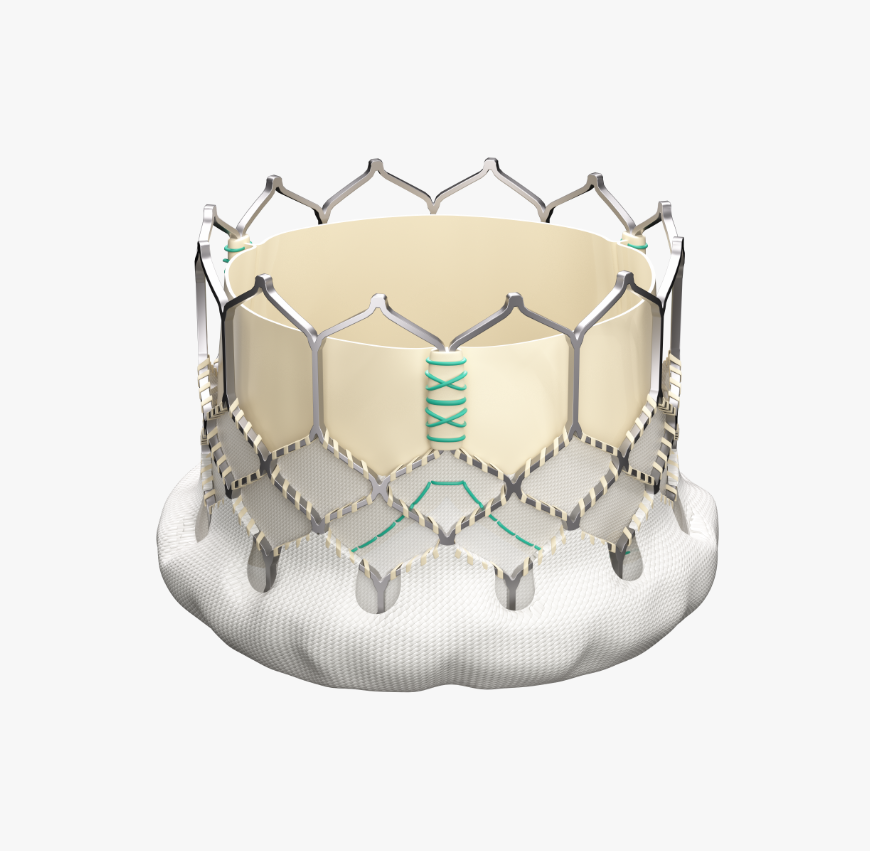
Transcatheter structural heart interventions have transformed the management of severe aortic stenosis over the past two decades. As clinical indications expand toward lower-risk patient populations, interventional cardiology teams, cath lab directors, and hospital procurement committees face an increasingly complex landscape of procedural equipment.
Selecting appropriate delivery systems, valve platforms, and auxiliary access tools requires evaluating intricate engineering specifications alongside clinical usability metrics. For medical device distributors, healthcare purchasing groups, and OEM partners, evaluating candidates requires a thorough understanding of specialized terminology.
Understanding these core technical parameters allows procurement decision-makers to conduct rigorous supplier assessments, ensure procedural compatibility, and maintain a resilient supply chain for complex transcatheter aortic valve replacements and supporting interventional hardware.
Essential Technical Criteria for Evaluating TAVR Device Manufacturers
When evaluating structural heart equipment, purchasing authorities should look beyond basic dimensions and consider how mechanical parameters influence clinical performance. Key factors include radial expansion force, frame integrity, and the interaction between the prosthesis and calcified aortic anatomy. Procurement teams can compare frame design, expansion characteristics, anchoring mechanisms, and dimensional specifications when evaluating different TAVR platforms.
Delivery-system design is equally important, particularly for patients with narrow or tortuous iliofemoral arteries. A smaller sheath outer profile can facilitate vascular access in anatomically challenging cases, while internal lumen dimensions and shaft support remain important for device advancement. Trackability and column pushability should also be assessed together, as the delivery catheter should be evaluated for its ability to navigate aortic arch angulations and calcified peripheral vessels while maintaining adequate shaft stability and lumen integrity.
Deployment control represents another important area of technical evaluation. Controlled and incremental release mechanisms can support more accurate prosthesis positioning, while partial or full resheathability may allow operators to correct suboptimal alignment before final deployment. These features should be evaluated alongside the overall responsiveness and stability of the delivery system during simulated or clinical-use conditions.
Radiopacity and fluoroscopic positioning also affect procedural precision. Radiopaque markers made from materials such as platinum-iridium, gold, or tantalum can provide visible reference points for alignment with the native aortic annulus under fluoroscopy. During vendor audits, comparing these technical characteristics among established TAVR device manufacturers can help hospital purchasing committees establish consistent performance criteria before entering long-term supply agreements.
Navigating Delivery Systems and Access Accessories
A complete transcatheter aortic valve system relies on a surrounding ecosystem of high-precision interventional accessories. The performance of the primary implant is intrinsically tied to the quality of pre-dilation balloon catheters, large-bore introducer sheaths, and heavy-duty extra-stiff guidewires.
Pre-dilatation and post-dilatation balloon catheters, for example, require precise compliance profiles and high rated burst pressure (RBP) tolerances. Non-compliant (NC) and semi-compliant (SC) balloon catheters must deliver predictable expansion diameters at elevated inflation pressures to prepare calcified leaflets or optimize frame expansion post-implant. Similarly, large-bore vascular introducer sheaths featuring hydrophilic coatings, smooth transition zones, and integrated hemostasis valves are critical for protecting peripheral vessels during delivery system exchanges. Sourcing fully compatible access accessories ensures seamless integration across the entire procedural workflow.
Evaluating Manufacturing Infrastructure and Regulatory Compliance
Beyond technical performance metrics, global distributors and institutional buyers must scrutinize a supplier’s manufacturing environment and quality management frameworks. Structural heart devices demand extreme precision, sterile manufacturing conditions, and comprehensive batch traceability.
Cleanroom Fabrication and Automated Assembly: High-precision extrusion, laser-cutting for metallic nitinol frames, electro-polishing, and controlled polymer jacket coating must take place within ISO Class 7 or Class 8 cleanrooms. Automated visual inspection systems further ensure dimensional tolerances across multi-lumen shafts.
Rigorous Standards Testing: Reliable medical device production relies on strict adherence to international quality management systems, including ISO 13485 certification. Components must undergo comprehensive biocompatibility evaluation under ISO 10993 standards, fatigue testing to simulate long-term mechanical stress, particulate release analysis, and burst pressure testing.
Coating Durability and Particulate Reduction: Hydrophilic and lubricious surface treatments applied to delivery catheters and sheaths reduce insertion force against vascular walls. Manufacturers should provide appropriate evidence of coating integrity and particulate control for applicable delivery catheters and sheaths.
Building a Reliable Structural Heart Device Partnership
Navigating the technical, clinical, and logistical demands of transcatheter structural heart interventions requires aligning institutional purchasing criteria with verified manufacturing capabilities. Evaluating core parameters such as radial force, sheath profile, trackability, deployment control, and quality system compliance allows procurement managers to select suppliers that meet demanding cath lab standards.
Partnering with specialized interventional medical device manufacturers like Shunmei, which has experience in interventional medical device manufacturing and operates under ISO 13485 quality management, provides healthcare institutions and international distributors with consistent device availability and predictable clinical support. It’s broader interventional portfolio can support evaluation across related device categories—helps streamline procurement logistics and mitigate supply chain vulnerabilities.
To support institutional vendor evaluation and distributor product portfolio expansion, procurement directors, cath lab managers, and OEM partners are encouraged to examine detailed product specification sheets, request dimensional sizing charts, and review regulatory compliance documentation. For product samples or distribution inquiries, healthcare providers and distributors can contact Shunmei’s technical sales team and interventional product specialists to discuss options suited to their operational requirements.