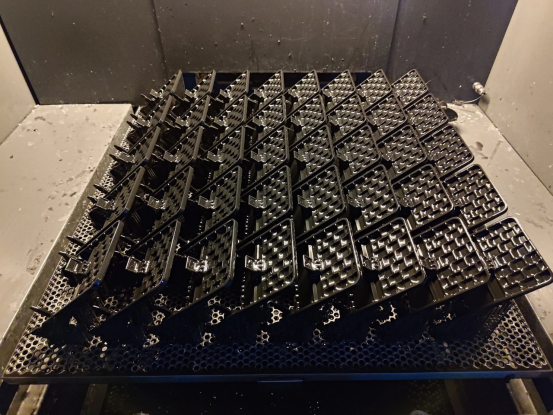
Engineering robust enclosures and structural frameworks requires manufacturing techniques that ensure durability, precise dimensions, and material efficiency. Industrial developers frequently turn to flat metal stock processing to build complex structural components without the extreme upfront costs of massive casting molds. Utilizing sheet metal prototype fabrication allows design teams to evaluate the mechanical structural integrity of an assembly early in the development lifecycle.
Understanding the Sequential Mechanics of Form and Fit Validation
Transforming a flat layout into a functional multi-dimensional asset requires a series of precise mechanical steps. Specialized laser cutters or punch presses follow digital programming to profile the exterior boundaries and internal cutouts of the metal sheet. This subtractive starting point guarantees clean edges and establishes the dimensional foundation for all subsequent forming steps.
Following the initial profiling, heavy-duty press brakes apply calculated force along specific linear axes to bend the flat stock into its final shape. Experienced programmers calculate the exact material bend allowance and springback metrics to prevent cracking or structural distortion along the creases. This sequential precision ensures that mounting holes and interlocking tabs align properly during eventual assembly.
Achieving Exceptional Structural Durability with Minimal Weight
Thin metal alloys naturally possess superior mechanical resilience compared to polymers, especially when subjected to extreme temperatures or vibrational stress. Bending a flat sheet introduces structural rigidity along the formed seams, allowing thin-gauge materials to support significant physical loads. This characteristic allows engineers to reduce overall product weight while preserving high impact resistance.
Common Industrial Alloys:
– Aluminum: High corrosion resistance, lightweight
– Stainless Steel: Extreme tensile strength, sanitary
– Carbon Steel: Highly cost-effective, easily formed
These intrinsic material strengths are vital for protective housings, heavy-duty brackets, and internal structural shelves. The uniform wall thickness inherent in flat stock processing removes the risk of internal voids or sink marks often found in molded parts. This predictability allows engineers to optimize structural performance with complete confidence.
Versatility in Complex Geometric Integration and Assembly Methods
Modern cold working processes accommodate an array of secondary joining techniques to create complex multi-part structural systems. Laser-cut components can be joined using spot welding, rivets, specialized PEM inserts, or tab-and-slot interlocking designs. This assembly flexibility allows for the creation of intricate internal compartments and heavy-duty double-walled enclosures.
Engineers can also incorporate custom ventilation louvers, integrated hinges, and countersunk mounting holes directly into the flat layout processing phase. Consolidating these features into a single fabricated unit minimizes the need for separate hardware components and reduces assembly errors. This integration maximizes space utilization inside dense electronic housings.
Rapid Low–Volume Modifications Without Expensive Capital Outlay
The digital setup required for laser profiling and automated bending machines eliminates the need for expensive dedicated physical stamping dies. If an engineering evaluation reveals a need for a larger cooling vent or a shifted mounting hole, the change is implemented instantly via software updates. This digital flexibility keeps initial development costs low and encourages thorough optimization.
Bypassing the weeks of fabrication time required for hard tooling allows companies to run low-volume batches or custom variants concurrently. Designers can test multiple material thicknesses or different alloy compositions side by side to determine the most cost-effective solution. This fluid workflow removes the financial friction typically associated with structural hardware updates.
Comprehensive Electrical Shielding and Thermal Dissipation Properties
Metal enclosures provide natural electromagnetic interference shielding, which is critical for protecting sensitive internal electronics from signal degradation. Unlike plastic housings that require expensive conductive coatings, raw metal stock blocks external electromagnetic waves inherently. This protection ensures that delicate communication modules and control boards operate reliably in chaotic environments.
Additionally, metals like aluminum and copper possess high thermal conductivity, allowing the outer housing to function as a giant passive heat sink. Thermal energy generated by internal power supplies or processors is drawn out and dissipated into the surrounding air efficiently. This thermal management capability protects internal components from overheating and extends the lifespan of the entire system.
Diverse Surface Treatments for Enhanced Environmental Resilience
Finished metal components are highly receptive to a wide range of secondary surface treatments that enhance corrosion resistance and cosmetic appeal. Parts can undergo powder coating, anodizing, passivation, or electroplating depending on the operational environment they will face. These protective layers prevent oxidation and preserve structural integrity over long operational lifespans.
Reliable Precision Solutions for Stringent Engineering Standards
When navigating complex hardware projects, collaborating with a manufacturer that understands tight tolerances and fast turnarounds is a significant advantage. APT-Mold provides high-precision sheet metal prototype fabrication solutions tailored to support diverse industrial development needs. The advanced facility implements automated laser cutting, precise bending, and robust welding to deliver consistent quality across every batch.
The engineering division at APT-Mold analyzes digital files to provide rapid feedback, transforming flat layouts into custom brackets, enclosures, and industrial housings efficiently. Working across various engineering metals, the workshop maintains tight tolerances and delivers fast turnaround times to keep development milestones on schedule. This dedicated fabrication support ensures that final components achieve the exact form, fit, and function required for long-term field stability.
Conclusion
Precision sheet metal fabrication remains a cornerstone of modern hardware engineering, offering a unique blend of structural strength, material efficiency, and shielding capabilities. By allowing rapid design iterations without the burden of hard tooling costs, the methodology shortens development cycles while reducing capital risks. Investing in professional custom cold working services ensures that complex mechanical concepts translate into durable, high-performing physical assemblies.