Food‑processing factories are under constant pressure to boost throughput while maintaining strict quality standards. Manual classification struggles to keep pace with high‑speed production lines. Understanding how automated sorting systems operate helps plant engineers optimize material handling, reduce waste, and streamline downstream packaging.
Feeding and Initial Product Singulation
Industrial facilities rely on steady product flows to maintain high production speeds. Raw material streams typically arrive via multi-lane vibratory conveyors or gravity-fed chutes. Mechanical guides gently align irregular items into single-file paths. Uncontrolled clustering ruins subsequent analysis steps entirely.
Controlled spacing ensures individual items pass through detection zones independently. Engineers design conveyor geometries to accelerate gaps between units. Optical barriers detect bunching and trigger corrective belt velocity changes. Smooth acceleration prevents product tumbling or structural damage.
Material integrity remains paramount throughout initial transfer stages. Delicate food items or fragile electronic components require low-friction belts. Easyweigh builds specialized conveyors using food-grade polyurethane materials. Operators adjust belt tensions quickly via intuitive touchscreen interfaces.
Real-Time Data Capture and Evaluation
Sensors capture physical characteristics the instant items cross designated inspection thresholds. High-resolution optical cameras scan surface colors, blemishes, and geometric dimensions. Simultaneously, integrated load cells measure gravitational forces for precise Weight Sorting applications.
Digital processors receive raw voltage signals from sensors at microsecond intervals. Microprocessors convert analog feedback into clean, structured digital data packages. Software algorithms cross-reference incoming data against pre-set product parameters. Discrepancies immediately flag items requiring targeted diversion.
Complex manufacturing environments present severe operational challenges for electronic components. Dust, moisture, and ambient temperature swings disrupt sensitive circuit boards. Robust enclosures protect internal computing hardware from harsh industrial contaminants. Reliable signal transmission guarantees zero data corruption during peak shifts.
Multi-parameter evaluation requires immense computational power operating without latency. Advanced firmware processes multiple inspection layers simultaneously without slowing line speeds. Plant managers configure custom threshold limits to match strict quality tolerances. Such flexibility transforms a basic sorting machine into a versatile production asset.
Precision Actuation and Separation
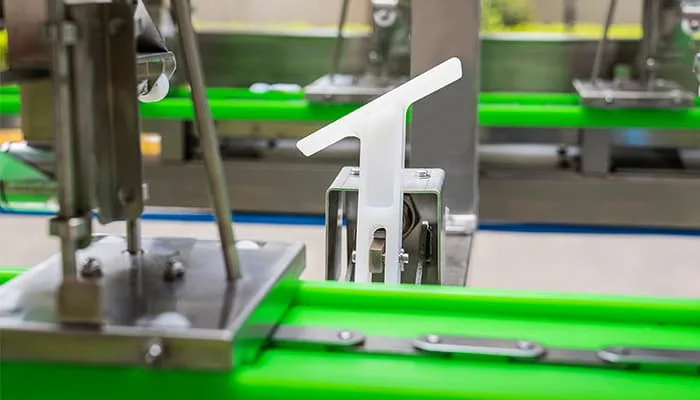
Physical divergence occurs milliseconds after evaluation algorithms finish computing. High-speed pneumatic air jets blast unacceptable items off the main belt. Alternatively, mechanical paddle diverters gently sweep heavier items into designated rejection bins. Rapid execution prevents downstream contamination of clean product batches.
Actuator response times dictate overall system throughput capabilities. Solenoid valves must open and close within fractions of a millisecond. Compressed air regulation units maintain stable pressure levels across all nozzles. Consistent air delivery ensures every ejection force matches calculated requirements.
Multi-lane configurations require densely packed pneumatic valve manifolds. Engineers position individual blow-off nozzles directly beneath specific discharge channels. Sophisticated timing sequences coordinate valve activations with precise belt velocities. Perfect synchronization eliminates collateral displacement of neighboring good products.
Rejected items drop securely into locked containment bins for manual review. Conforming products continue uninterrupted toward packaging or palletizing stations. Reliable physical separation protects downstream brand reputation by eliminating defects. Facilities utilizing Weight Sorting technologies achieve unprecedented compliance levels.
Advanced Engineering Optimization
System calibration loops run continuously to maintain long-term accuracy. Self-diagnosing firmware detects minor sensor drifts before they cause classification errors. Automated tare functions reset baseline measurements during scheduled production lulls. Maintenance teams spend less time fixing calibration issues manually.
Energy efficiency plays a major role in modern factory design. Variable frequency drives regulate motor speeds to match actual load demands. Low-power LED illumination arrays reduce electrical consumption inside optical inspection modules. Sustainable engineering practices lower total operating costs significantly over time.
Integration with factory enterprise resource planning software enhances operational visibility. Production supervisors monitor real-time yield statistics directly from centralized control rooms. Data logs record rejection rates, throughput volumes, and mechanical error codes. Comprehensive reporting tools empower plant engineers to optimize overall line efficiency.
Factory automation continues advancing toward fully autonomous decision-making ecosystems. Easyweigh engineers integrate machine learning models into next-generation processing platforms. Intelligent units adapt automatically to subtle seasonal variations in raw materials. Modern facilities utilizing a sophisticated sorting machine secure a permanent competitive advantage.
Future Operational Integration
Modular designs allow facilities to scale inspection capabilities as business grows. Specialized algorithms enhance Weight Sorting precision across variable product densities. Minimal downtime during upgrades keeps overall production schedules intact. Scalability protects initial capital investments against future market shifts.
Hygiene standards dictate construction choices across pharmaceutical and food sectors. Properly‑designed stainless‑steel frameworks remove crevices where bacteria or residue could accumulate. Seamless welds and IP69K‑rated components withstand aggressive chemical cleaning cycles. Regulatory compliance safeguards consumer health while protecting manufacturers against potential liability.
Global supply chains require robust equipment capable of running twenty-four-hour shifts. Heavy-duty bearings and brushless motors minimize mechanical wear during continuous operations. Preventive maintenance alerts notify technicians before component fatigue causes unexpected stoppages. Uninterrupted uptime maximizes return on investment for heavy industrial installations.
Customized software profiles can store profiles for thousands of unique product SKUs at the software‑level. Operators switch production runs instantly without requiring complex mechanical tool changes; minor mechanical adjustments may still be needed for products with drastically different dimensions. Intuitive digital interfaces cut operator training times and reduce configuration‑related mistakes. Ultimate operational flexibility defines the modern sorting machine market landscape.
Industry leaders constantly refine inspection methodologies to tackle emerging packaging challenges. Collaborative partnerships between manufacturers and equipment designers yield breakthrough technical capabilities. Easyweigh remains dedicated to pushing the boundaries of high-speed separation performance. Continuous innovation ensures automated facilities successfully meet tightening global quality standards.
Workforce training programs ensure operators understand advanced diagnostic menus fully. Comprehensive instruction manuals outline standard troubleshooting procedures for common mechanical anomalies. Skilled technicians resolve minor faults quickly without ever halting primary production schedules or compromising product quality.
Operational excellence requires investing in adaptable separation hardware for long-term gains. Facility managers evaluate total cost of ownership rather than initial purchasing expenses alone. Strategic equipment selections guarantee enduring profitability across competitive global markets and fluctuating economic conditions.