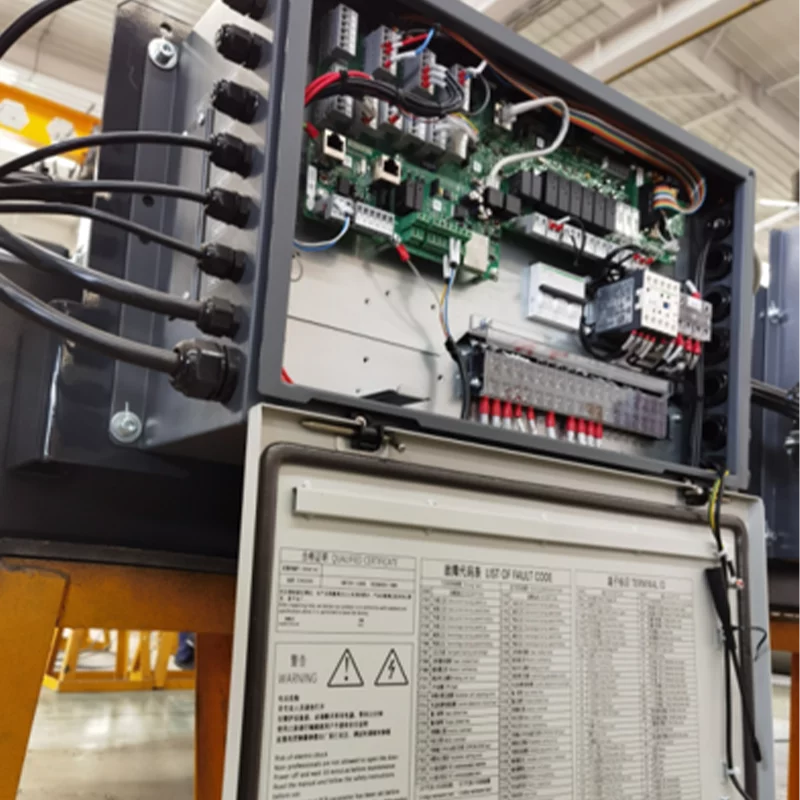
An aging overhead crane does not always need to be completely replaced. In facilities, the existing structure may still be suitable for continued operation, while outdated controls, motors, wiring, or safety devices have become the main sources of maintenance problems. In these situations, upgrading selected electrical and electronic systems can provide a practical way to improve crane performance without rebuilding the entire installation.
The decision between repair, overhead crane modernization, and full replacement depends on the crane’s structural condition, operating requirements, maintenance history, and future production needs. A systematic evaluation can help users determine which approach provides the right balance of reliability, safety, cost, and service life.
Why Aging Crane Systems Require Attention
Overhead cranes often remain in service for many years, sometimes across changing production requirements. While the basic steel structure may continue to perform adequately, electrical and control technologies can become outdated much sooner.
Older cranes may rely on conventional contactors, relay based controls, outdated pendant controls, inefficient motors, or electrical components that are increasingly difficult to source. Frequent electrical faults can result in unexpected downtime, while limited control functions may make precise load positioning more difficult.
This does not necessarily mean that the entire crane has reached the end of its useful life. Instead, it may indicate that certain systems should be assessed for modernization. Crane system upgrades can focus on electrical controls, motors, drives, operator interfaces, and other key components while retaining suitable structural elements. This approach allows businesses to address specific performance and maintenance issues without automatically replacing the entire crane.
What Is Overhead Crane Modernization?
Overhead crane modernization involves upgrading selected components or systems of an existing crane to improve its functionality, reliability, safety, or compatibility with current operating requirements. The scope can range from replacing controls and electrical panels to upgrading motors, variable frequency drives, sensors, limit switches, and communication systems.
A modernization project can be particularly suitable when the crane’s primary structural components remain in acceptable condition. By retaining usable mechanical infrastructure and focusing investment on outdated systems, users can address specific operational limitations without automatically replacing the entire crane.
WORLDHOISTS offers electrical and electronic systems for crane applications. Its product category includes the Ever Crane Hoist Control System, Intelligent Safety System, and Intelligent Features, which can be considered when evaluating electrical and control upgrades for suitable crane configurations.
When Should You Consider Crane Modernization?
Several signs can indicate that a crane modernization project deserves consideration. Frequent electrical failures are one of the clearest. If control panels, relays, contactors, or wiring require repeated repairs, continuing to maintain obsolete equipment may become increasingly inefficient.
Another consideration is control performance. Older systems may provide limited acceleration and deceleration control, resulting in unnecessary mechanical stress or less precise load movement. Modern control technologies can offer more controlled starting, stopping, and travel.
Safety requirements are also important. If existing limit switches, emergency controls, overload protection, or other electrical safety functions are outdated, upgrading these systems may help bring the crane closer to current operational requirements, subject to applicable standards and professional inspection.
Finally, spare part availability should be evaluated. If key electrical components are discontinued or difficult to obtain, maintenance planning becomes more complicated and downtime can increase.
Electrical and Electronic Systems to Evaluate
A crane system upgrade should begin with an assessment of the equipment that has the greatest effect on operation and maintenance.
Control systems are an important starting point because they coordinate many of the crane’s electrical functions. Replacing outdated control components can improve reliability and make troubleshooting more straightforward.
Safety systems should also receive careful attention. Depending on the crane configuration, this may include limit functions, protective devices, monitoring equipment, and other controls intended to support safe operation.
Other electrical and electronic equipment may include motors, brakes, contactors, transformers, power supplies, pendant controls, radio controls, sensors, and limit switches. The appropriate combination depends on the crane’s design, duty cycle, load requirements, and existing electrical architecture.
WORLDHOISTS’ electrical and electronic systems category specifically includes the Ever Crane Hoist Control System, Intelligent Safety System, and Intelligent Features, providing defined areas to consider when assessing an existing crane’s control and safety functions.
How Modernization Can Improve Long Term Maintenance
One benefit of upgrading outdated electrical systems is improved maintenance planning. Current components may be easier to source, diagnose, document, and replace than discontinued equipment.
Modern control systems can also provide more consistent operation, reducing unnecessary stress caused by abrupt starting and stopping. Better access to replacement components and technical documentation can further simplify future service work.
However, modernization should not be viewed as a one time fix. Regular inspection and preventive maintenance remain essential. Electrical upgrades work best when combined with proper mechanical inspections, brake checks, runway assessments, and periodic safety evaluations.
Maintenance teams should also keep updated electrical drawings, component specifications, inspection records, and replacement information after an upgrade. Good documentation can reduce troubleshooting time and make future maintenance decisions easier.
Making the Right Upgrade Decision
Choosing between repair, modernization, and replacement requires a complete view of the crane rather than focusing on one failed component. The condition of the structure, reliability of existing electrical equipment, availability of spare parts, operating requirements, safety functions, and future production demands should all be considered.
For an aging crane with a sound mechanical foundation, replacing outdated electrical and electronic systems can provide a practical path toward improved operation and maintainability. When the underlying structure or capacity no longer meets requirements, however, a complete replacement may offer a more suitable long term solution.
With the right assessment and component selection, WORLDHOISTS offers electrical and electronic systems that can be considered for crane modernization projects. Its product portfolio includes the Ever Crane Hoist Control System, Intelligent Safety System, and Intelligent Features designed for different crane applications. A carefully planned upgrade helps extend the life of existing equipment and address the technical limitations that matter most to daily operations.